
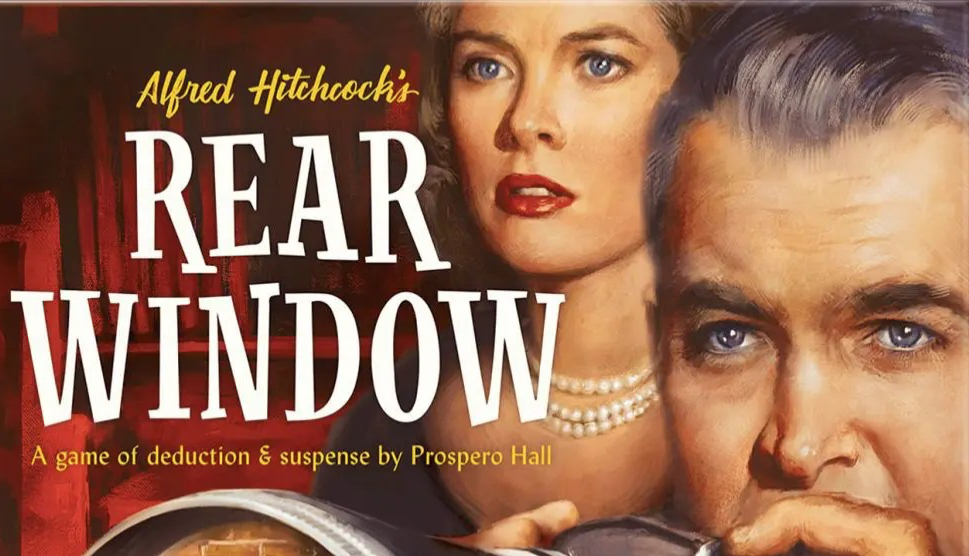
The concept of the window as a symbol of voyeurism has been explored in various art forms, including cinema, literature, and visual art. One of the most famous examples is Alfred Hitchcock’s noir classic Rear Window, which has inspired an interactive online exhibition by the White Cube gallery. The exhibition delves into the themes of isolation and voyeurism present in the film and their relevance to contemporary society.
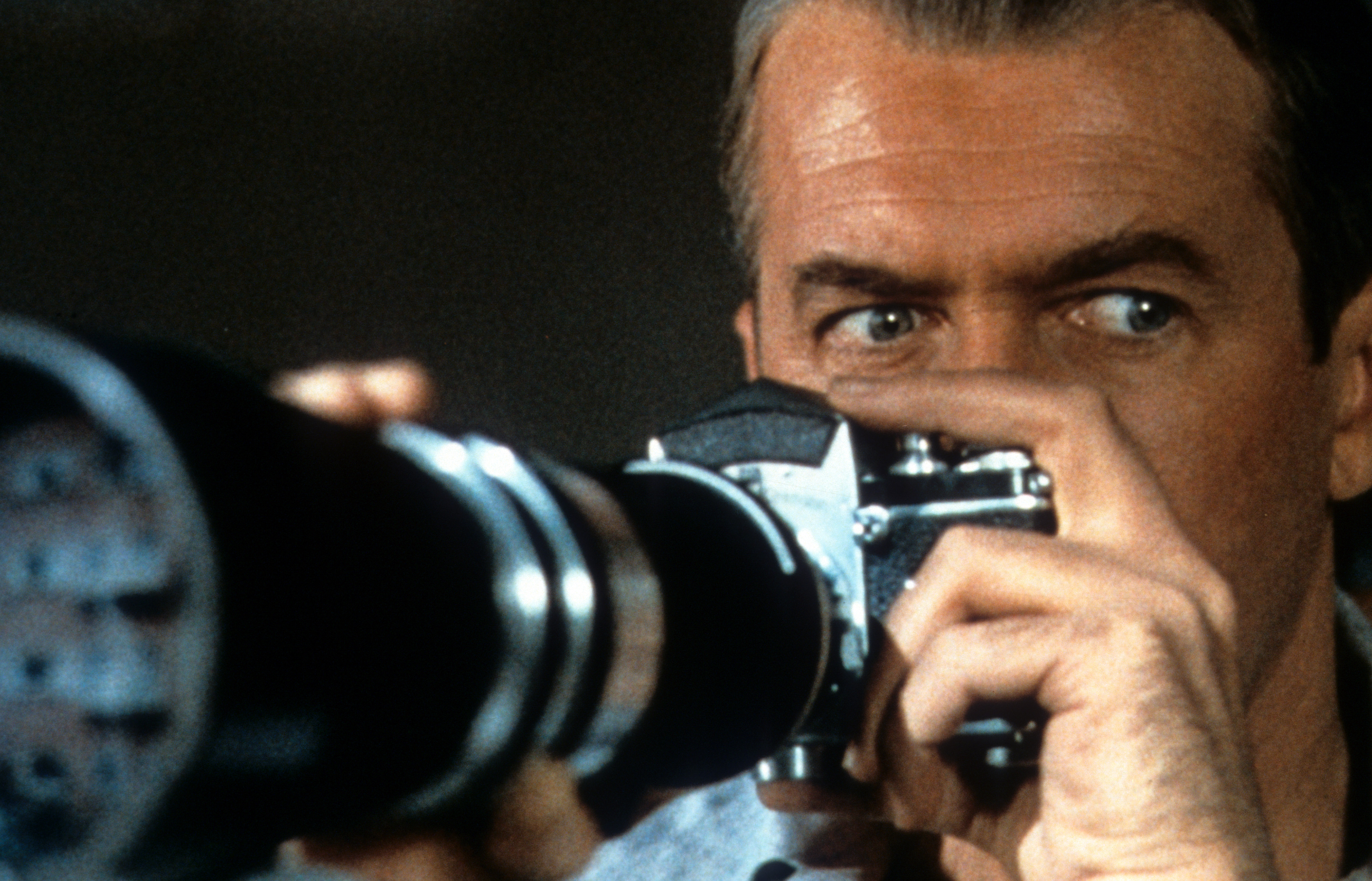
Hitchcock was known for his fascination with voyeurism and frequently incorporated it into his films, forcing the audience to confront the thrill and risk of observing without being observed. ‘Rear Window’ can be seen as a lockdown movie, with the protagonist, Jeff Jeffries, stuck in his apartment with a broken leg. Jeff becomes fixated on the activities of his neighbors, who he observes through his window, and the audience is drawn into his voyeuristic world. We become accomplices in his curiosity, piecing together the lives of his neighbors and trying to decipher whether a crime has been committed or if it is just Jeff’s overactive imagination.
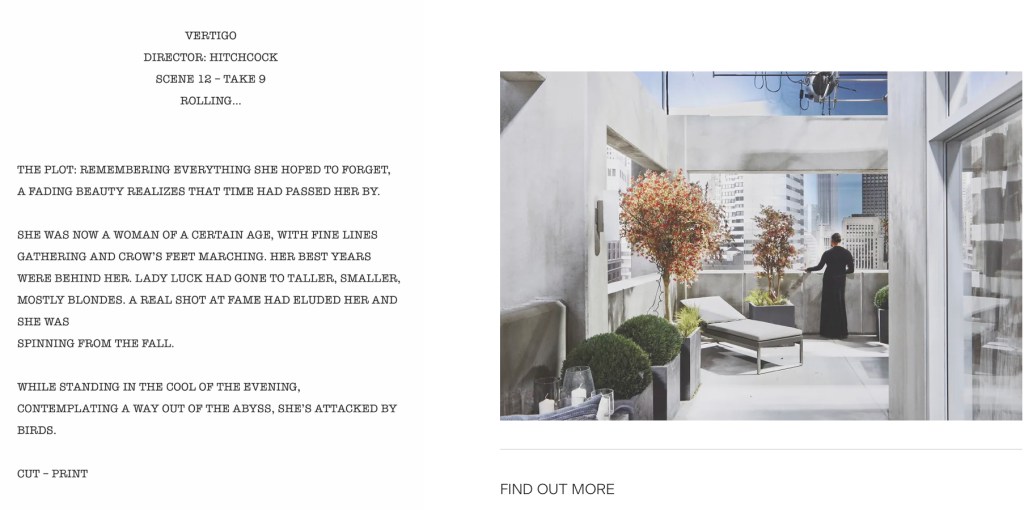
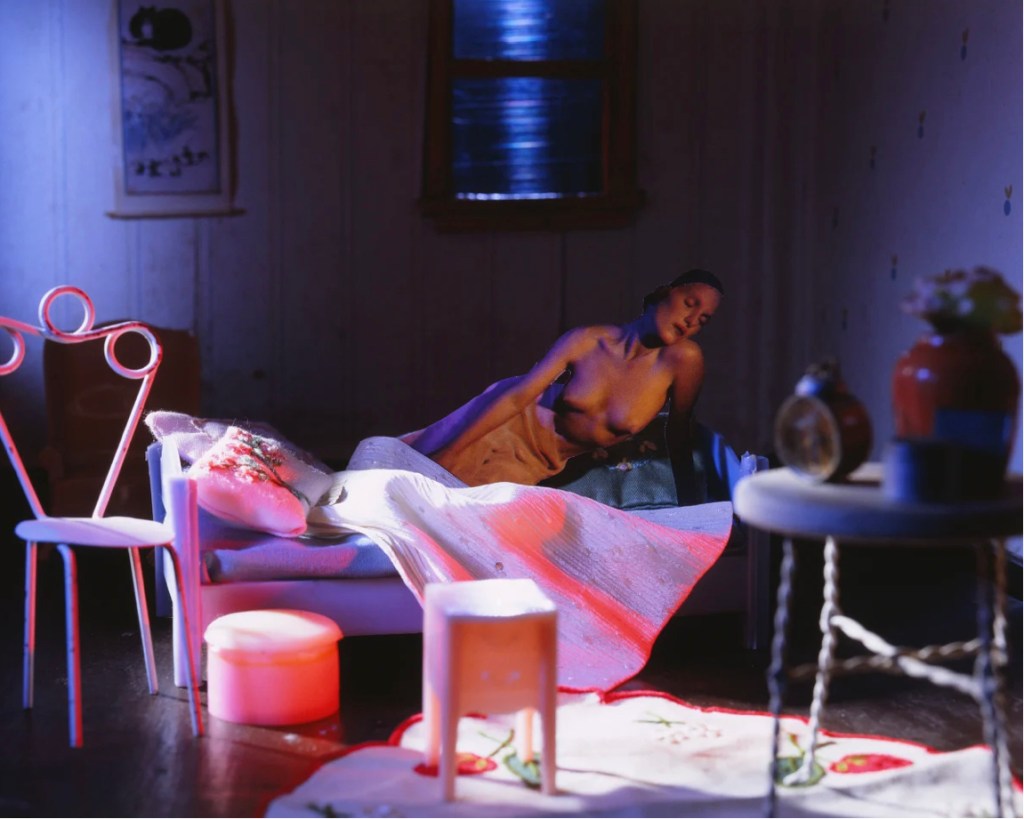
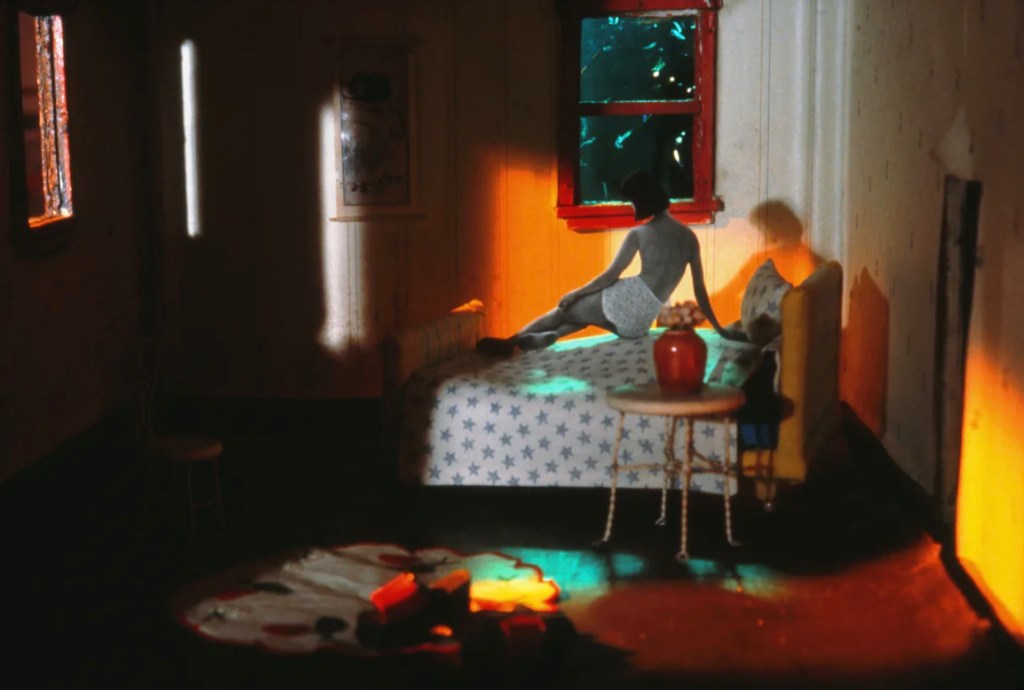
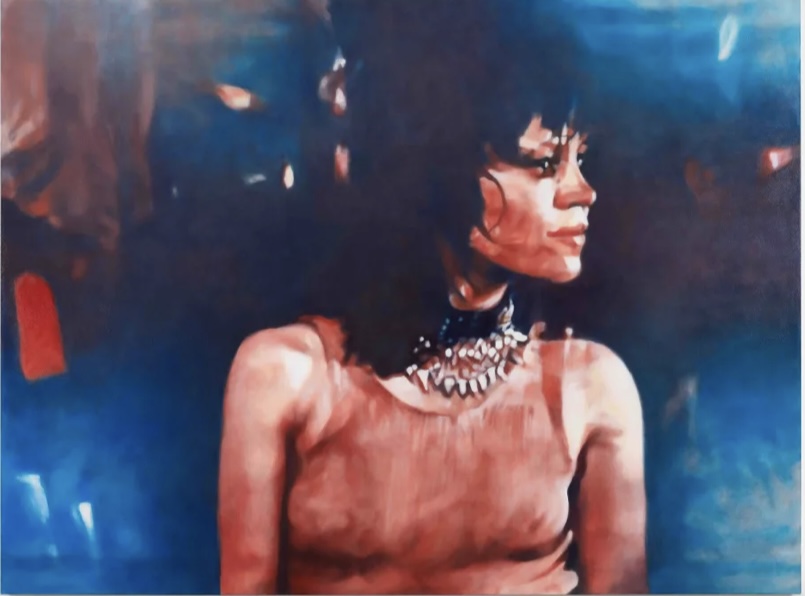
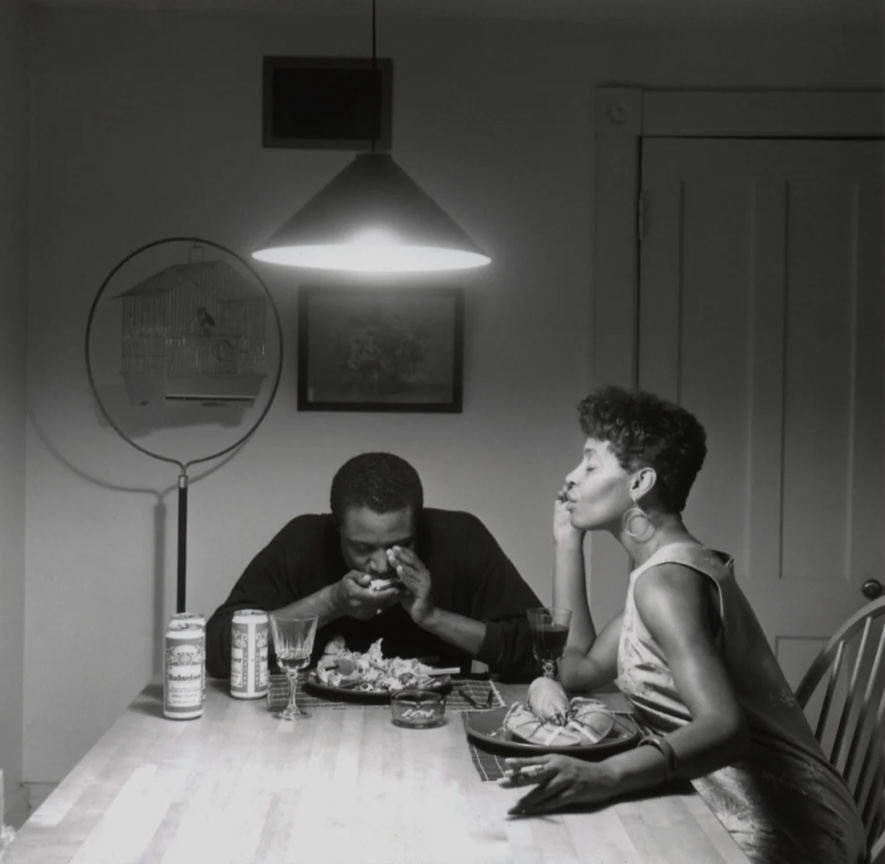
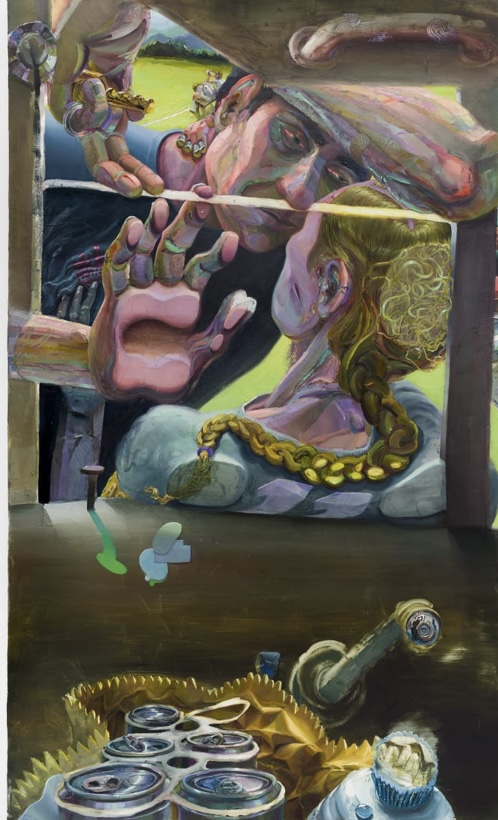
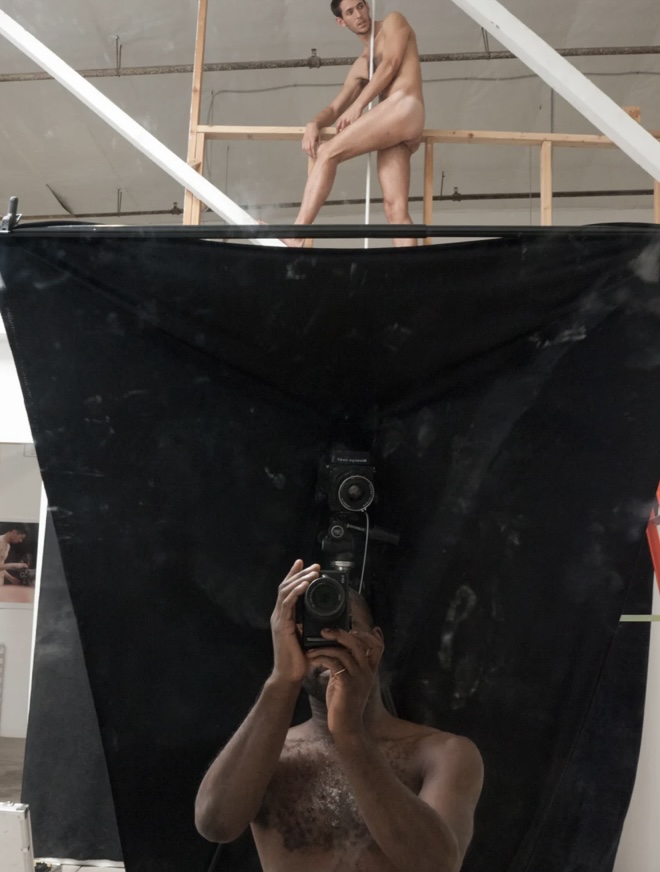
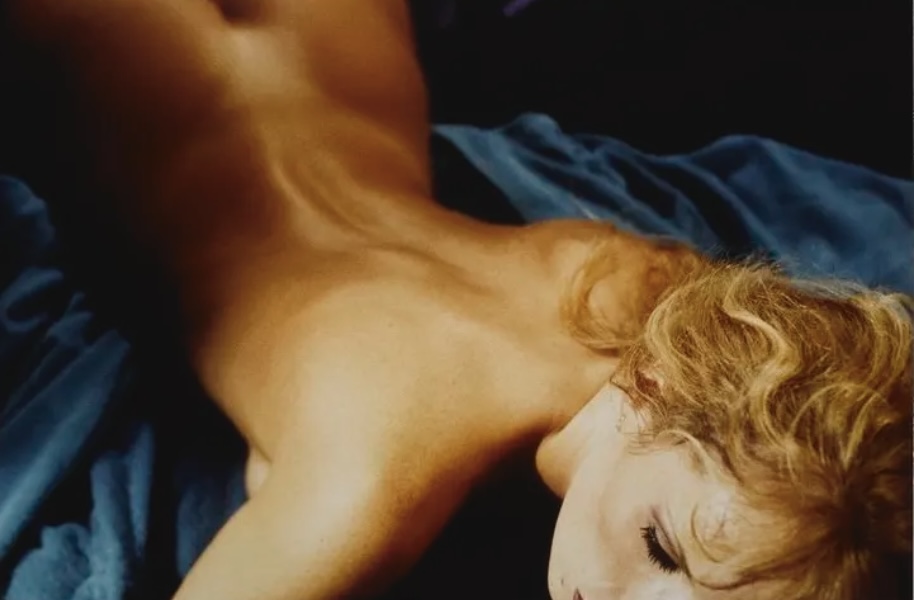
The exhibition ‘Rear Window’ is an invitation to consider how artists construct scenes and suggest narratives, using cinematic devices to tease our innate voyeurism. The exhibition also explores the concept of ‘the gaze,’ which was instrumental in formulating the themes of Hitchcock’s film. The exhibition features the work of several artists, including Ellen Altfest, Jeff Burton, Gillian Carnegie, Julie Curtiss, Judith Eisler, Celia Hempton, Danica Lundy, Paul Mpagi Sepuya, Laurie Simmons, Jeff Wall, and Carrie Mae Weems. Through the works of these artists, the exhibition explores the relationship between the viewer and the viewed and the power dynamics that exist within that relationship. ‘Rear Window’ challenges us to consider how our own perceptions and interpretations are shaped by our gaze, and how our desire to observe and be observed can be both compelling and dangerous. Implicitly, It is also a timely commentary on our not so distant reality, where many of us have been isolated in our homes due to the pandemic, and our access to the outside world has been limited to what we can see through our windows.
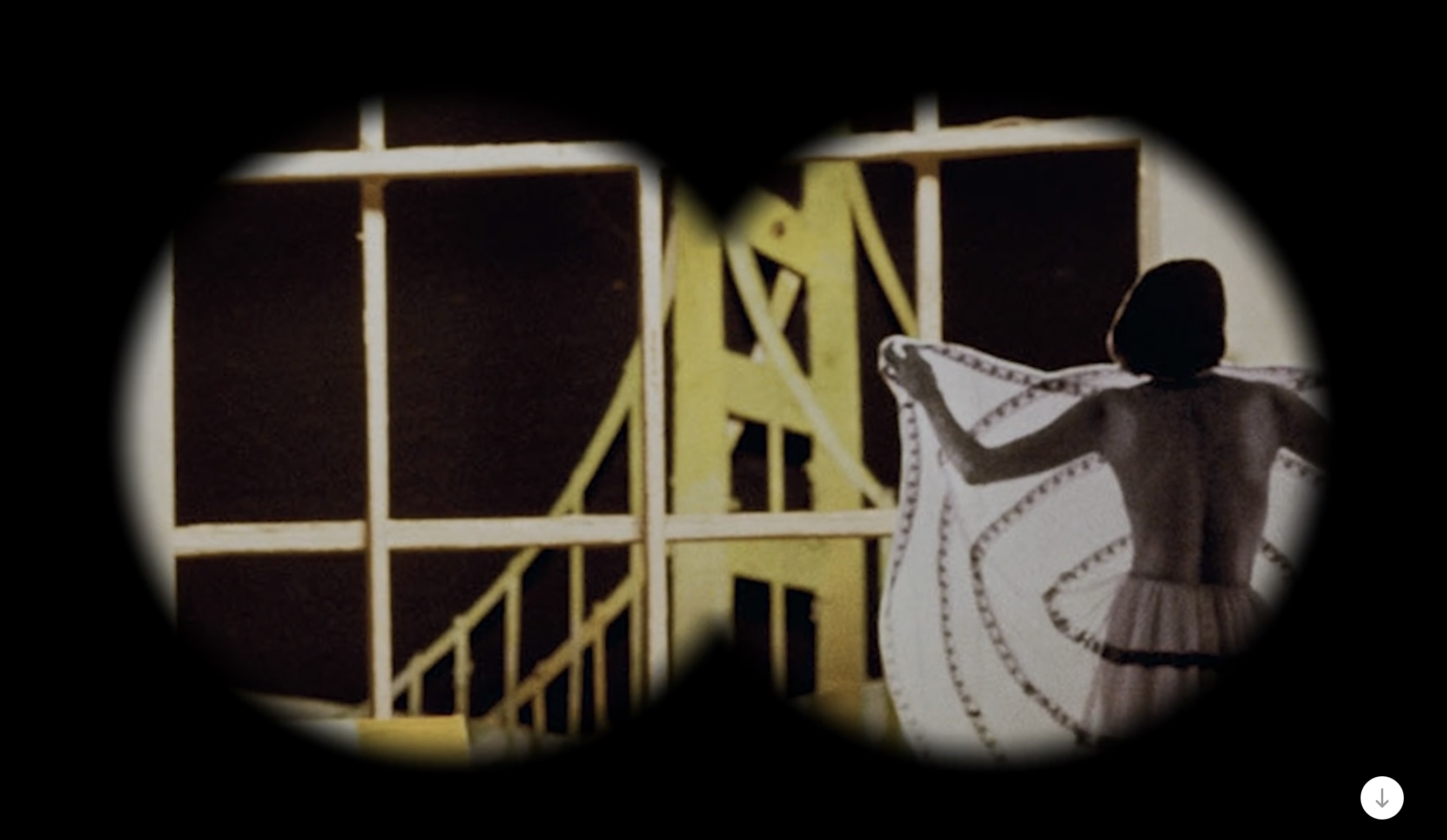
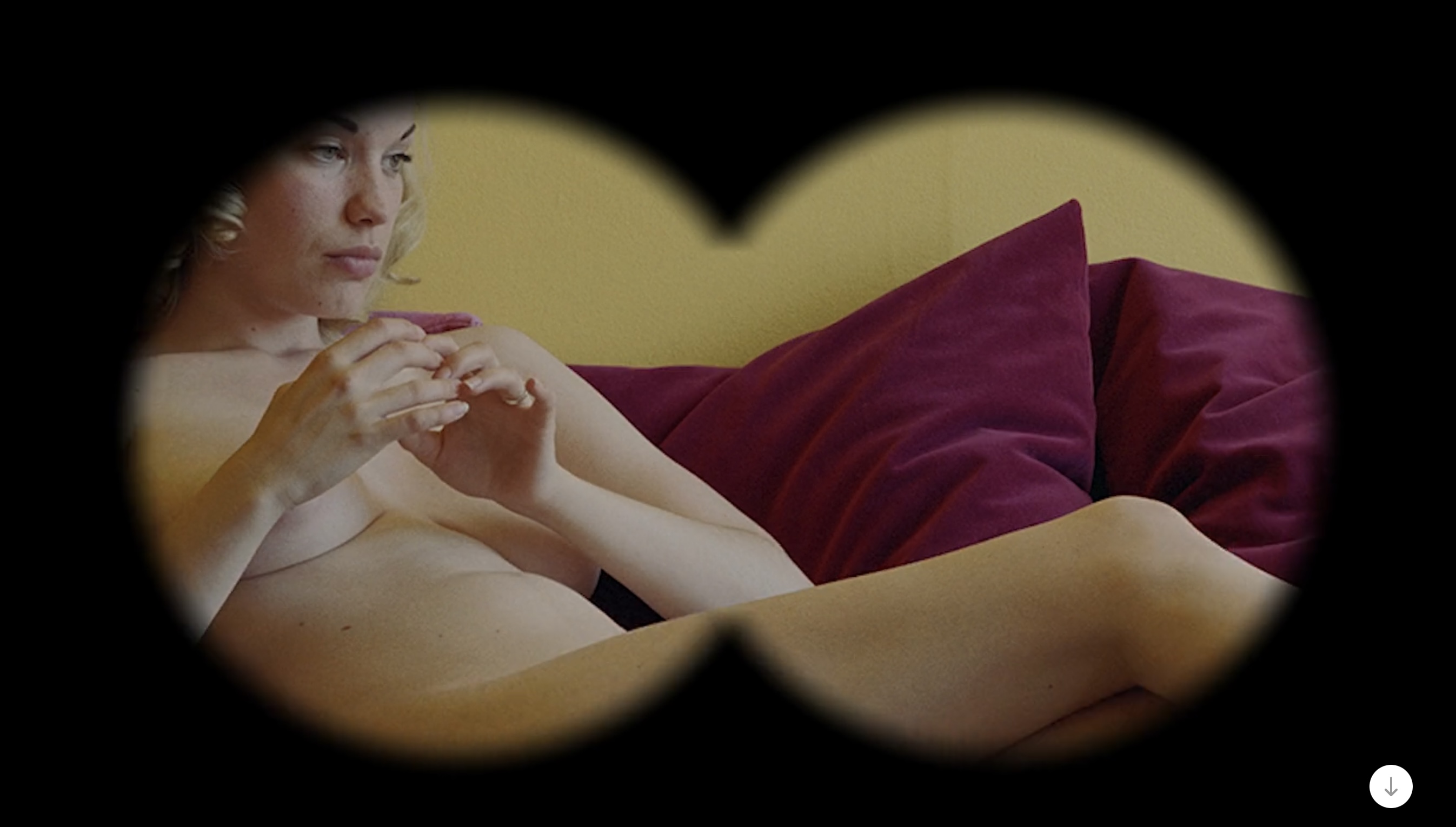
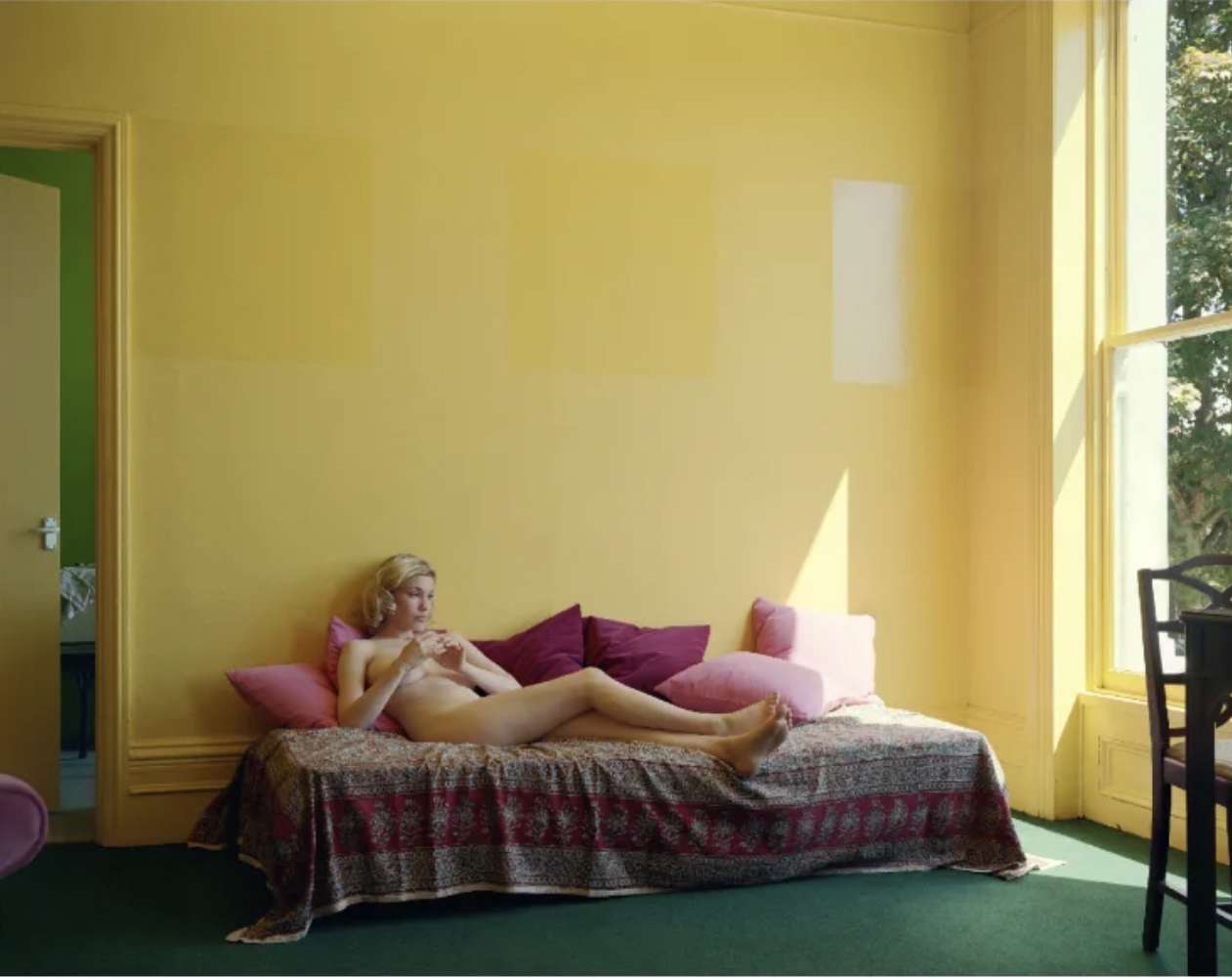
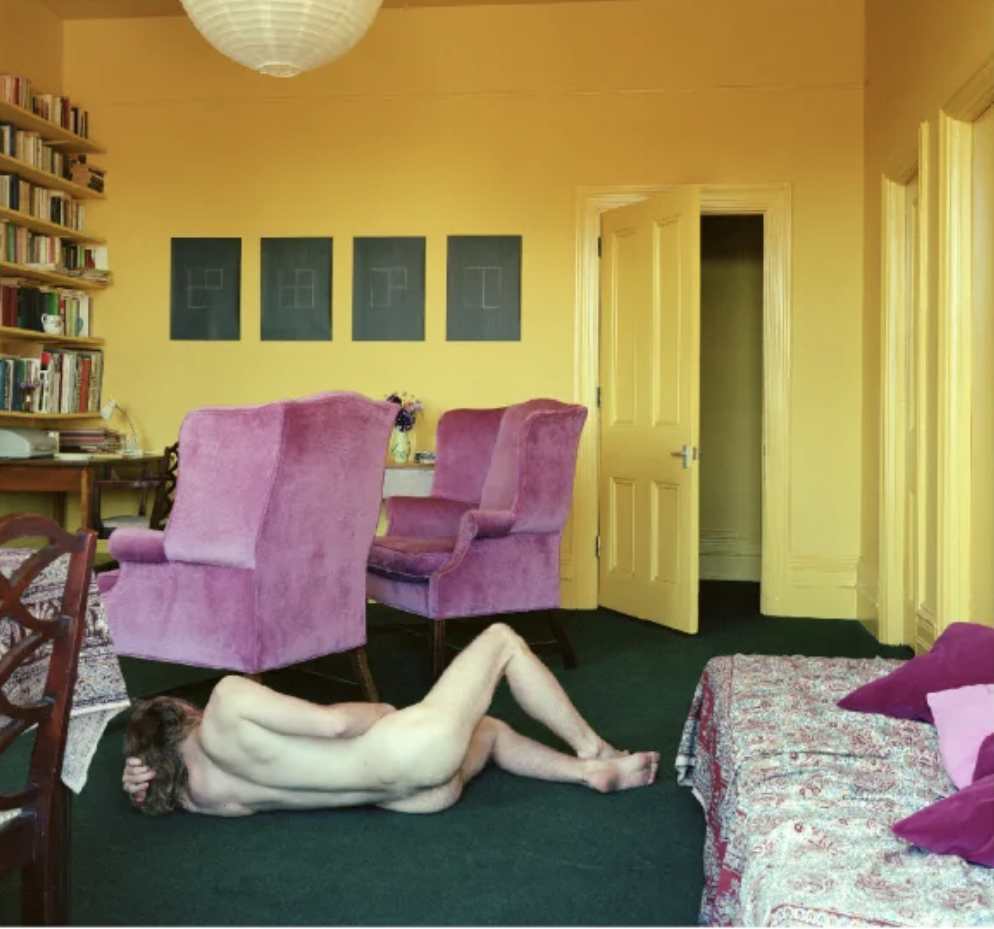
The concept of the window in cinema has been an object of fascination for film theorists and enthusiasts alike. In particular, the image of a window overlooking a bustling city or a quiet courtyard has been interpreted as a symbol of voyeurism and the permeable space between private and public. The image of a window is essentially a characteristic voyeuristic tool (there is a theory of cinema as a “metaphor” for a window, which Elsaesser and Hagener write about in their book Film Theory: An Introduction Through the Senses), exploring the permeable space between private and public. Especially the window that overlooks an inner courtyard or any other lively place. In turn, cinema, as a medium, transforms the window into a medium-extension, meta-externalizing our body (as an observer) and the bodies of the characters outward. In this regard to my mind hops the animated video Tidy Monster, which is more about a decadent psychedelic experience, but also stands as a metaphor of a room-extension of our body/(un)conscious.
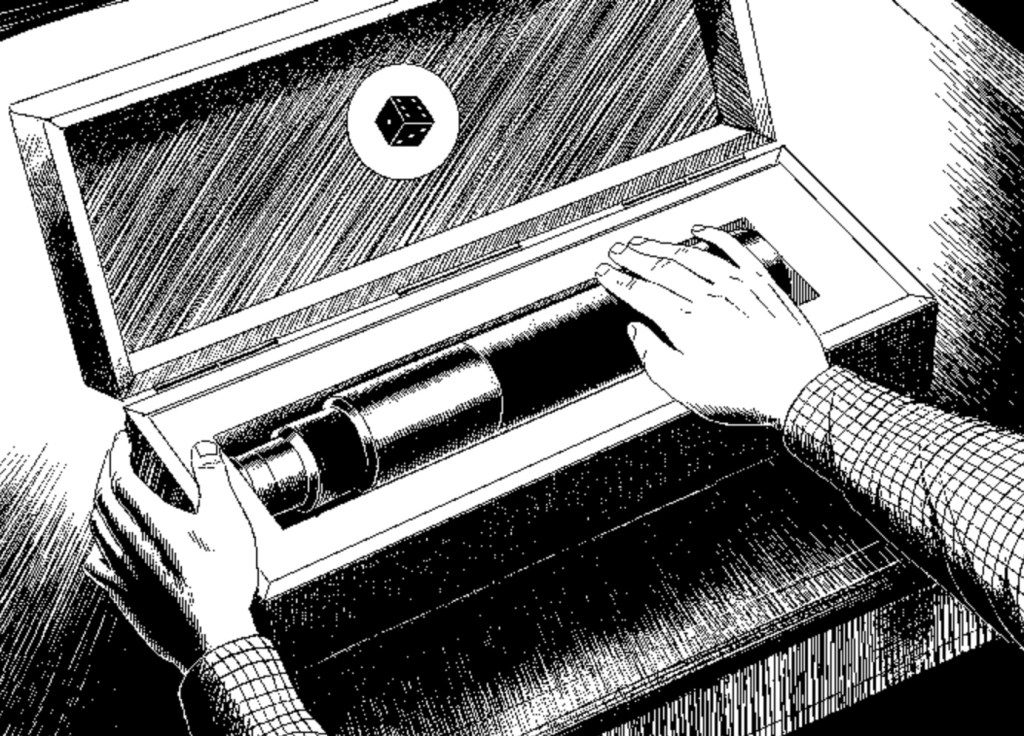
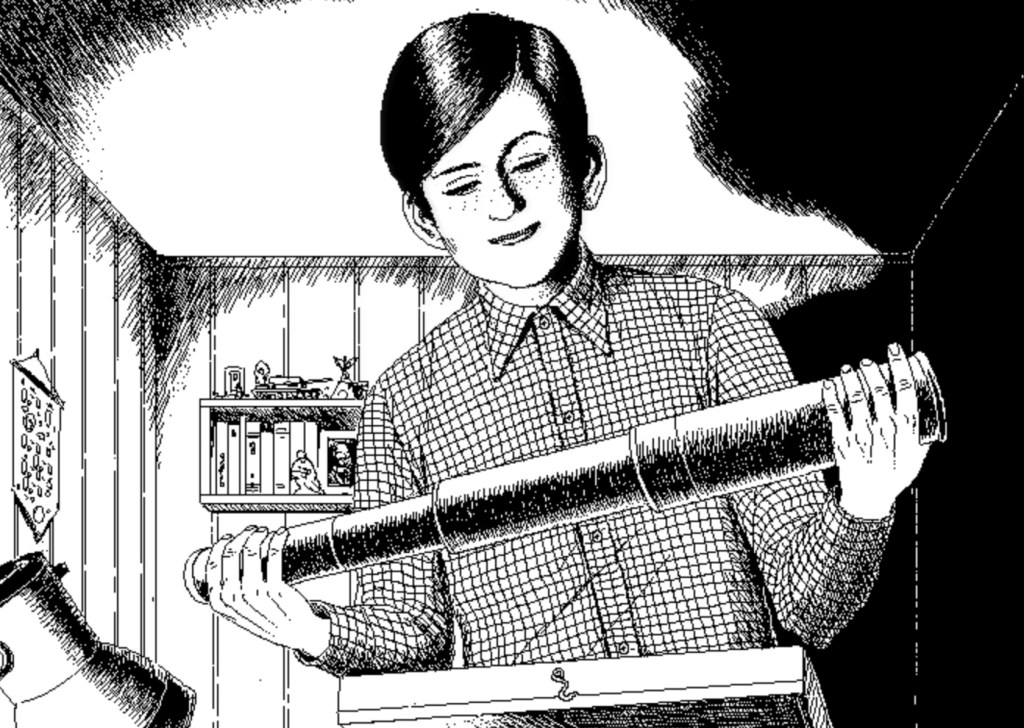
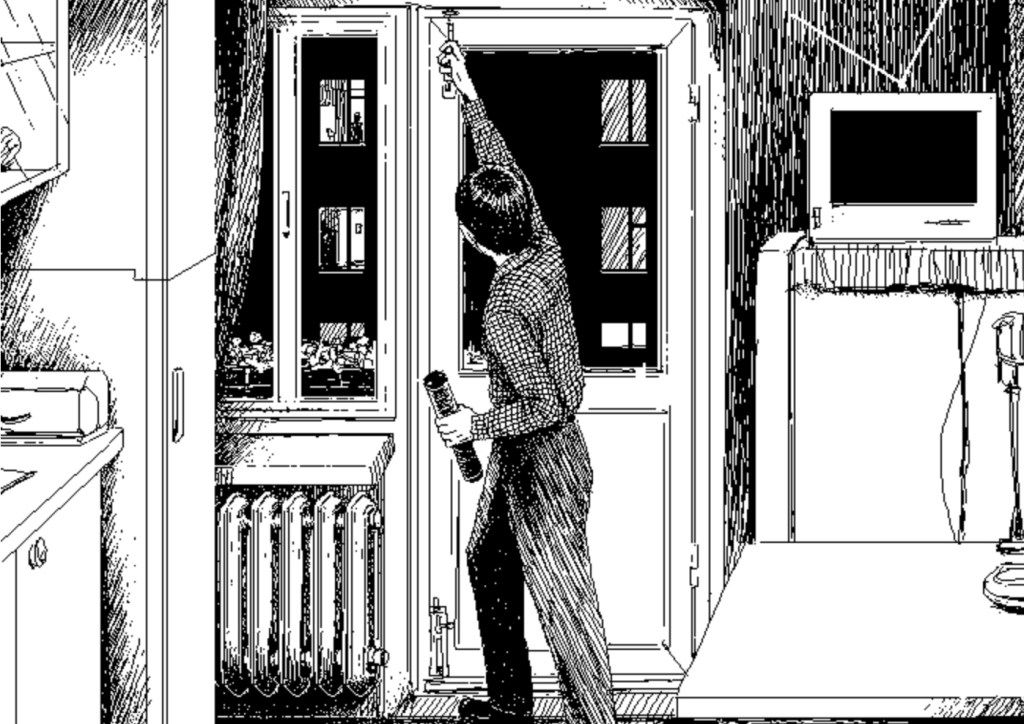
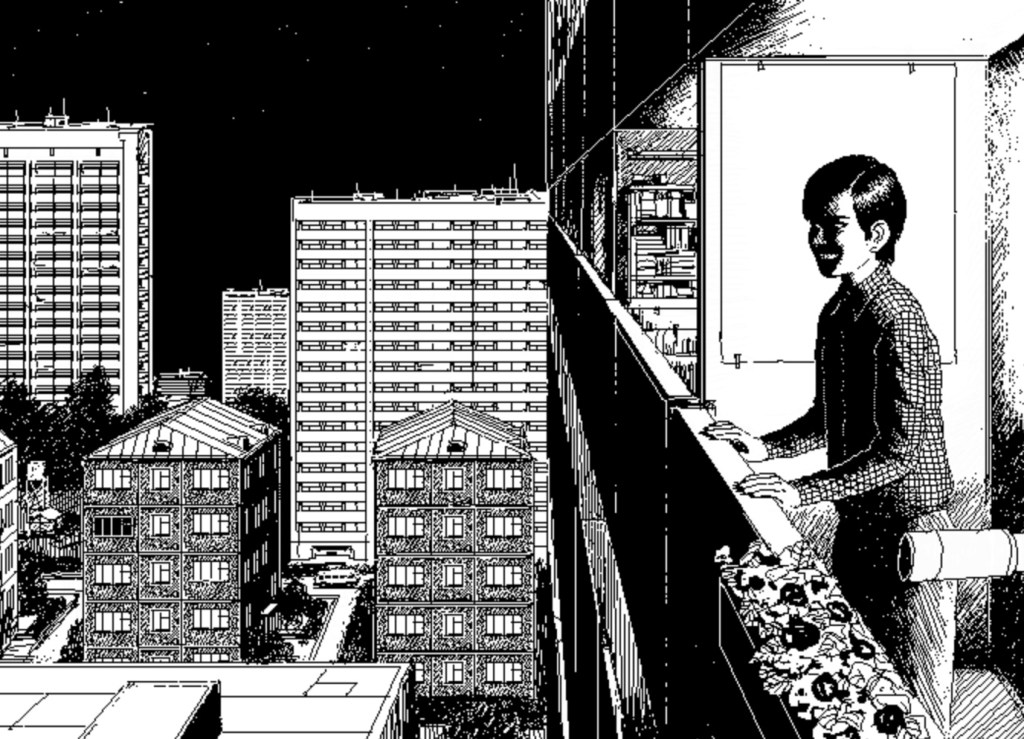
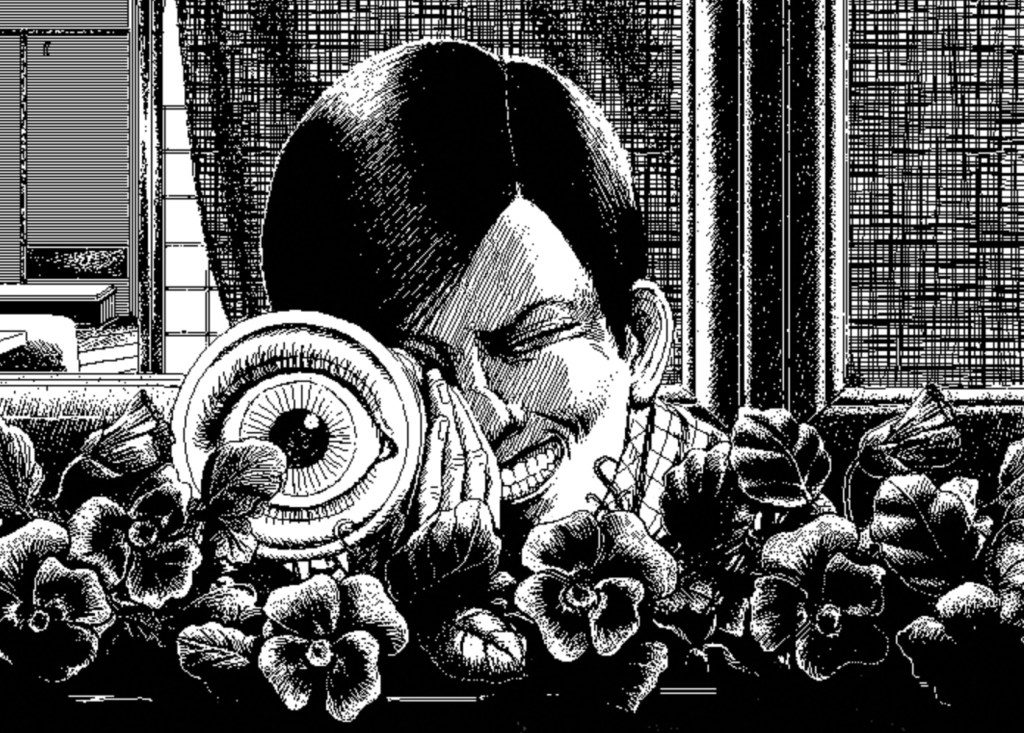
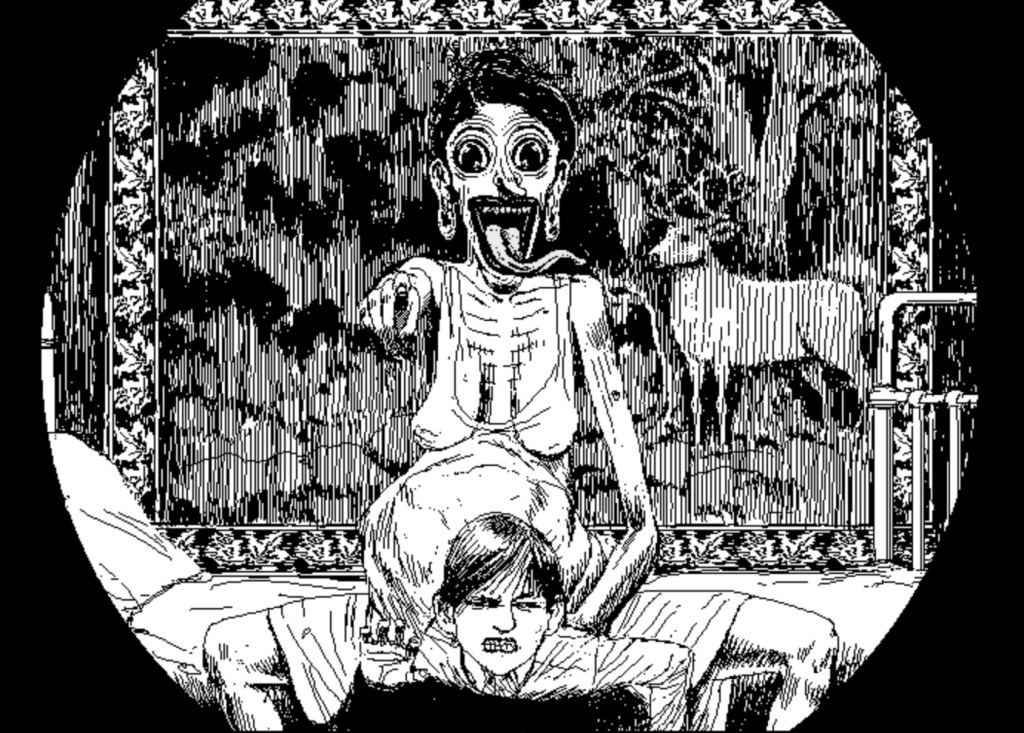
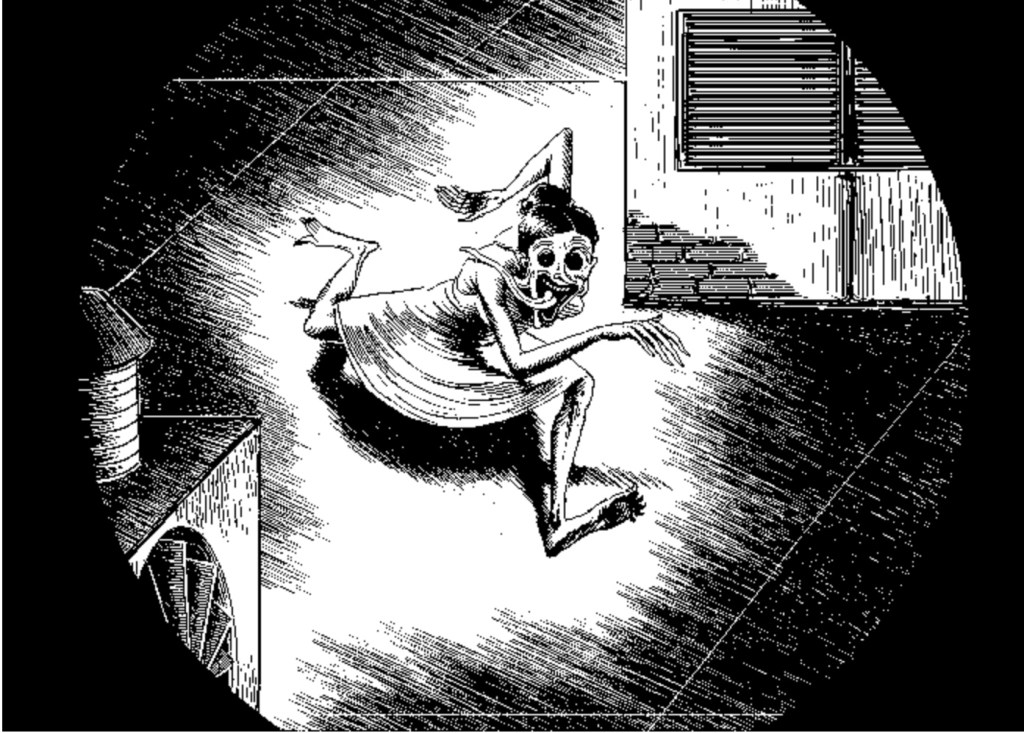
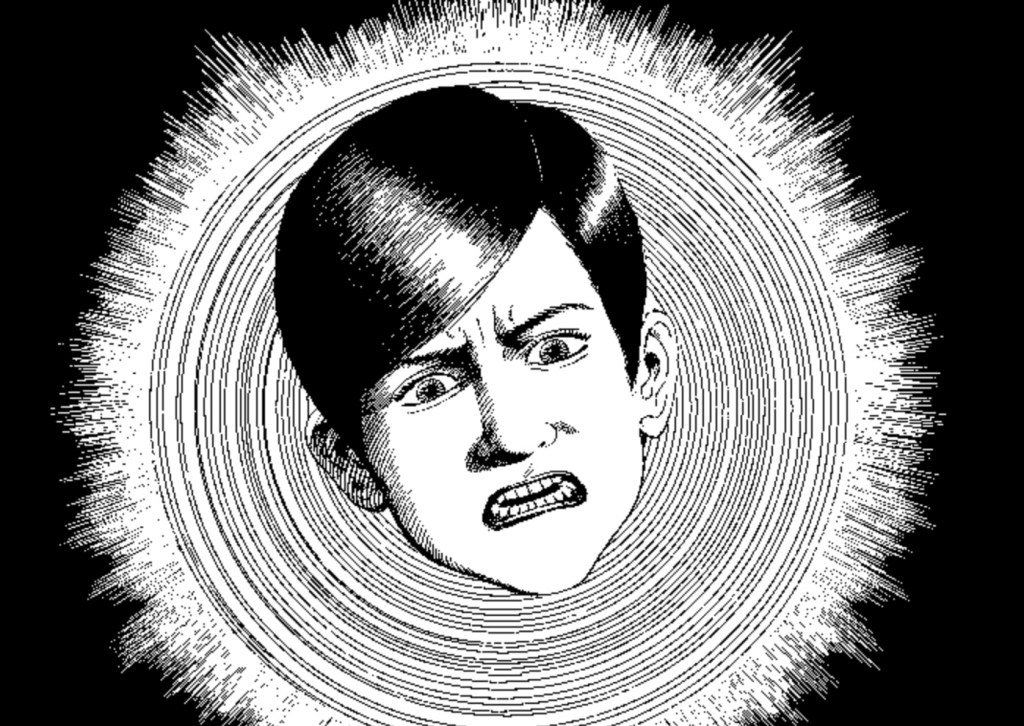
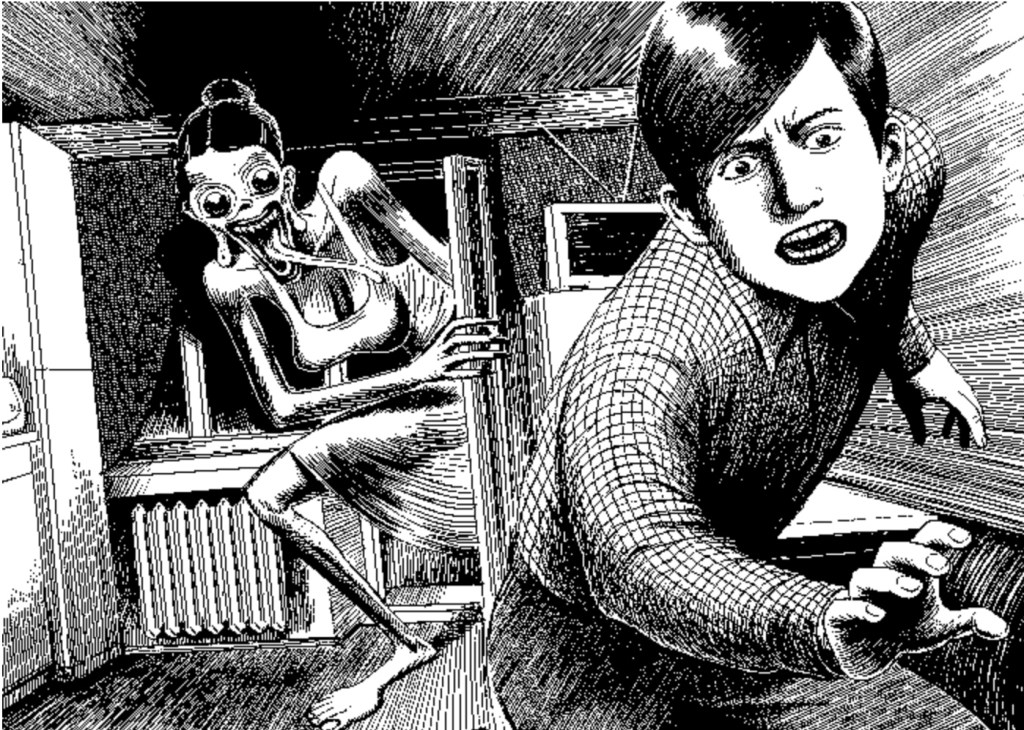
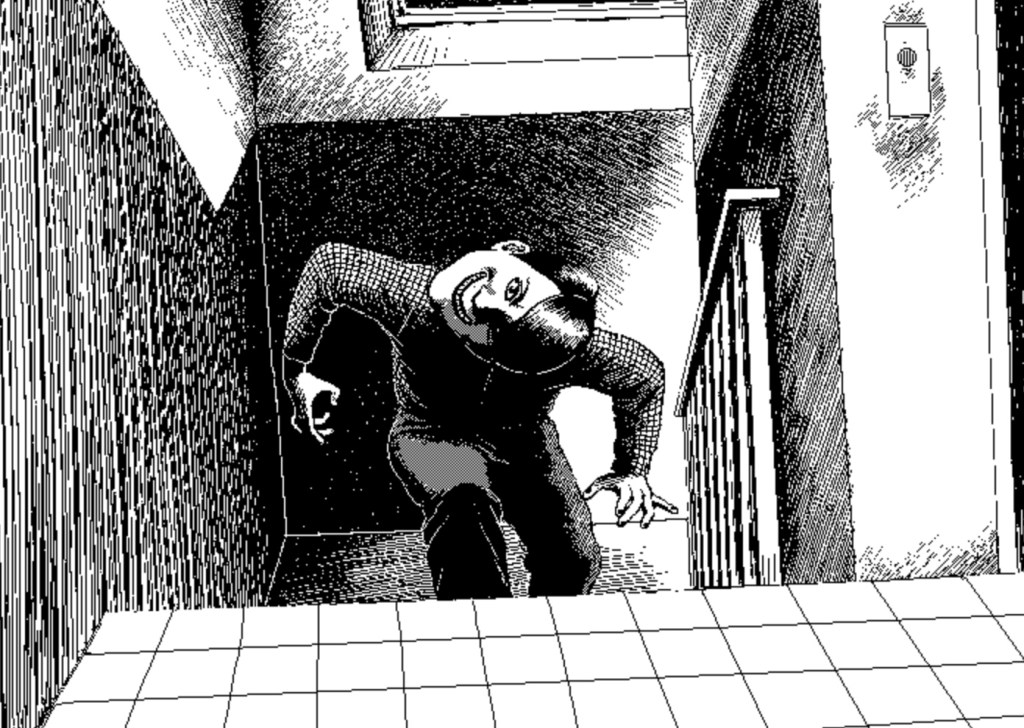
The window as a medium of voyeurism is not limited to cinema, as it is a recurring motif in various art forms. For instance, the Russian artist known as unomoralez has created pixel graphics that embody the aesthetics of the repulsive and the concept of childhood fears. In one of his comics, The Monster in the Telescope, he explores the idea of what is hidden behind the window, tapping into our deepest fears and anxieties.
Furthermore, the exhibition highlights the role of the gaze in destroying the private, even if it is self-observation. Michael Haneke’s film Cache portrays the scariest secrets of the main characters at risk of exposure due to video tapes thrown into their house every day by an unknown person. Here the Deleuzian theme of the past as forgotten emerges, as the intrusion of the “eye” of these video tapes is discussed in the family circle with tension, highlighting the vulnerability of their private lives.
Overall, ‘Rear Window’ is an intriguing and thought-provoking exhibition that encourages us to reflect on the delicate balance between privacy and public visibility, the themes of voyeurism and surveillance in contemporary society and how they are explored through various art forms.
Selected Works
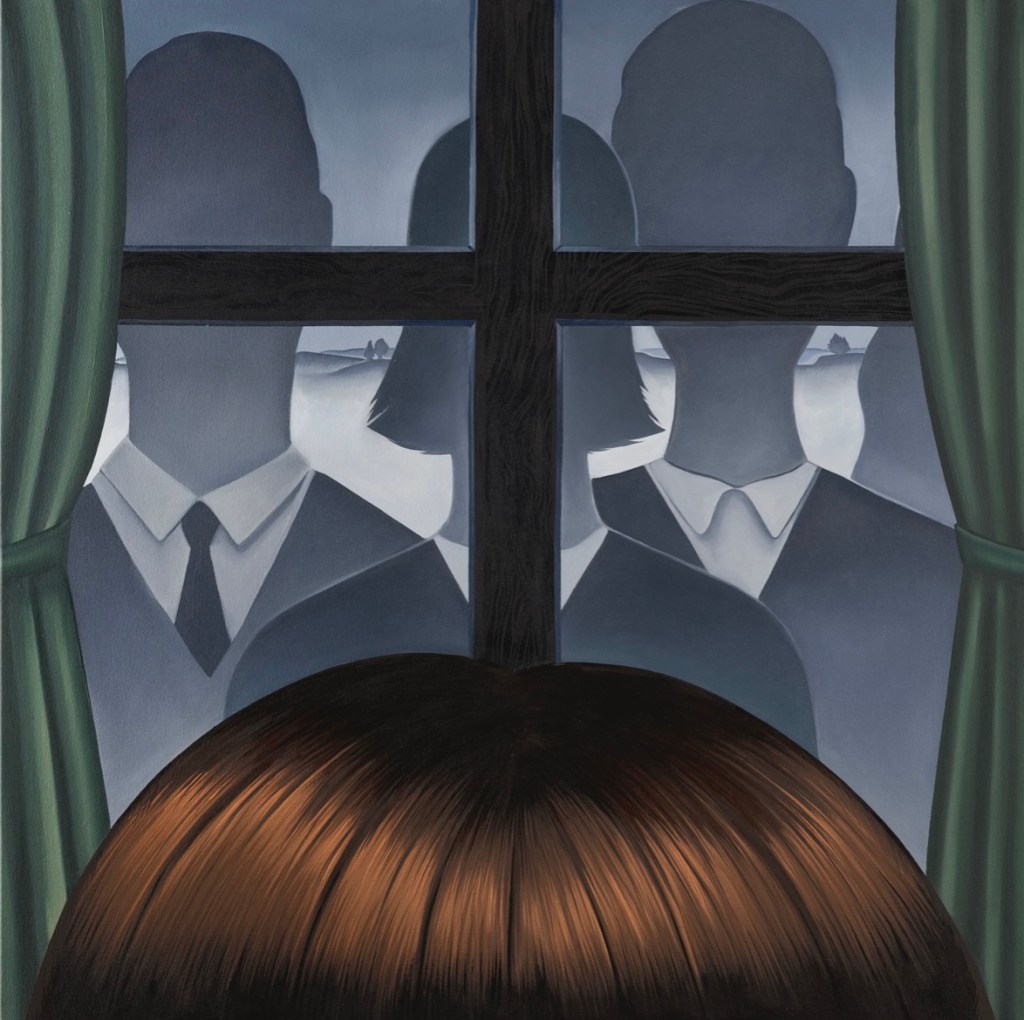
With a cinematic approach to composition, the artist transforms her canvas into a window, featuring three faceless, monochromatic figures outside. Rather than being observers ourselves, we become the subject of surveillance, with our proxy on our side of the frame.

Sign up for our freshly baked posts
Get the latest culture, movie, and urban life updates sent to your inbox.
Subscribe
Join a bunch of happy subscribers!
 POSTMODERN PROMETHEUS
You must be logged in to post a comment.