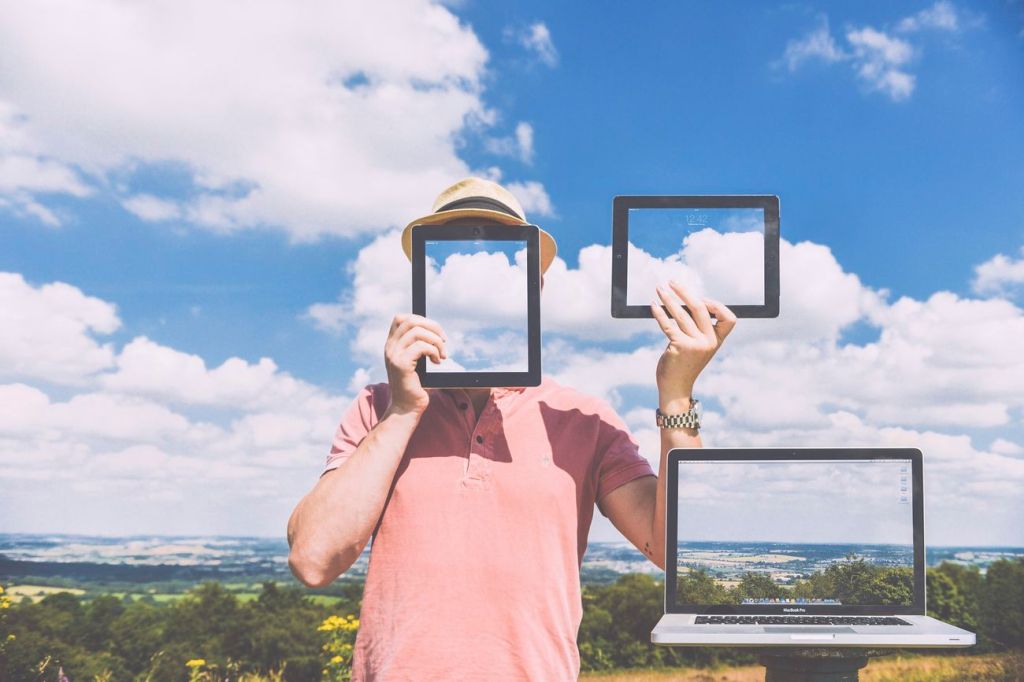
Urban spaces are in a state of constant evolution, and the rise of digital communication tools is revolutionizing the way we interact with these spaces. In his work “Geomedia,” McQuire explores the impact of digital remediation of urban spaces through the use of check-ins and geolocation. This has significant implications for consumer culture, business, and social economy, and is changing the way we think about public spaces.
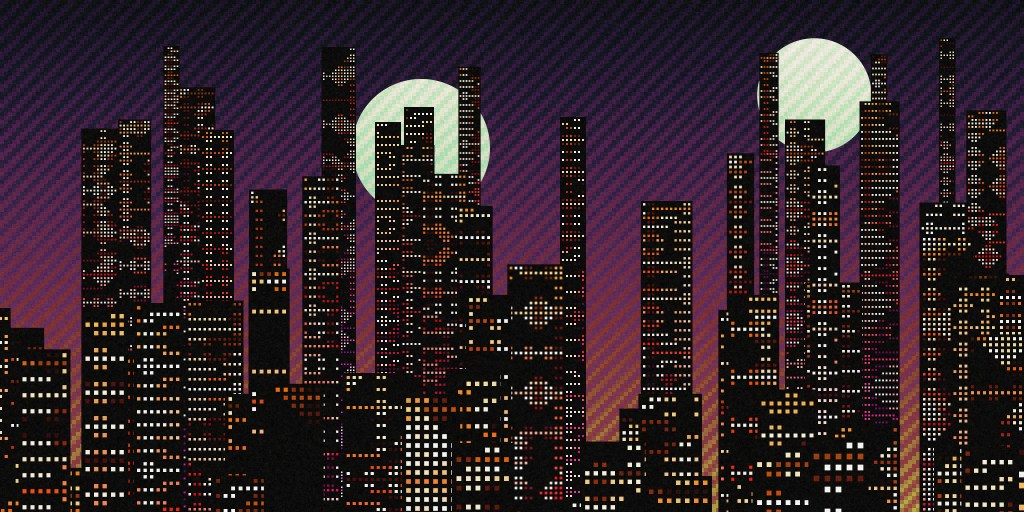
Byte City Nights – A Bitwise Cityscape
McQuire highlights the four interconnected categories of geomedia: convergence, ubiquity, geolocation, and real-time feedback. He describes how geomedia is creating a total image of the city, one that is equal to the image of the city-container. This way, the shift towards a more digitized urban space carries many risks. McQuire warns of the emergence of a media panopticon, where our consumption, social activity, and other behaviors are constantly tracked and monitored through media. This also raises the question of who becomes an outsider during the transformation of the city “from bricks” to “a city of bytes.” McQuire suggests that certain groups of people may be excluded from a completely digitized urban space, which overturns the concept of “smart cities” based on the model of digital capitalism.
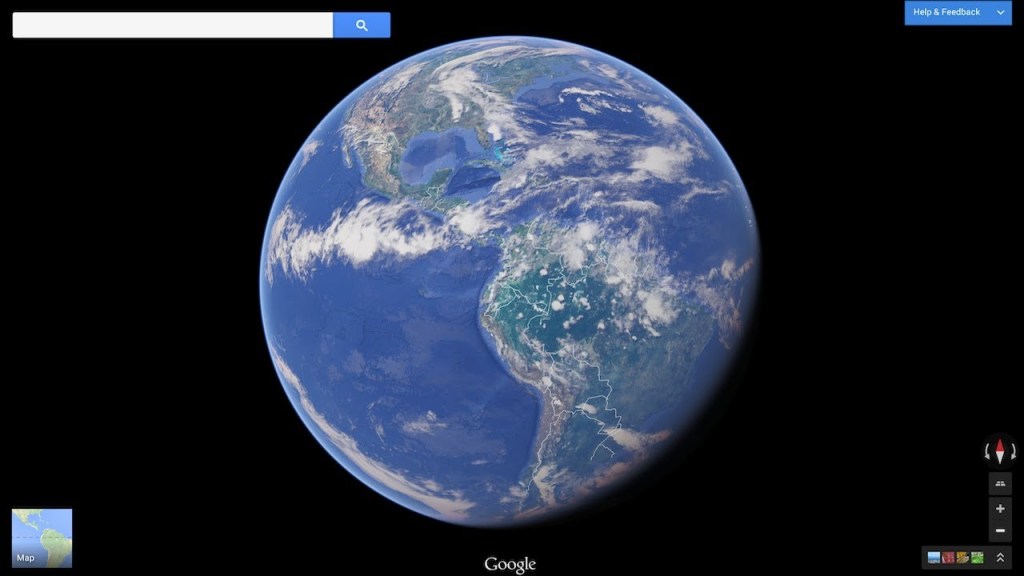
To illustrate these concepts, McQuire uses GIS and Google Views as convenient tools for creating a multi-episode digital archive of the city. Through this archive, we can see how much we are dependent on gadgets and smart systems, even if we ourselves are situationally living in and creating our space. As we move forward into an increasingly digitized world, it is important to consider the impact of geomedia on our urban spaces and find ways to create a more inclusive and cooperative society.
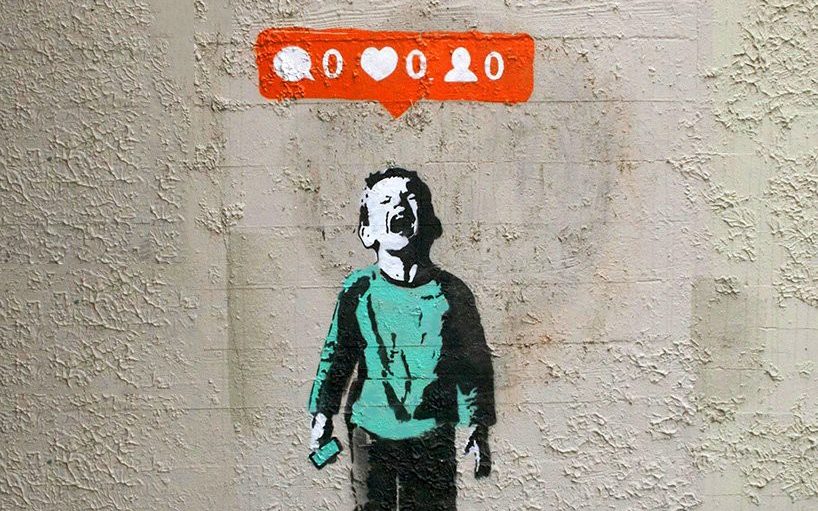
Despite these risks, there is also a liberating effect of geomedia. The creation of a “hybrid city” of the future, one that incorporates augmented digital reality, has the potential to create a more inclusive and cooperative society. Participatory practices of media art, which actively privatize public space, are an example of this transformation. In McQuire’s view, these practices are similar to graffiti art in that they leave an intimate trace of a person in public urban space.
The two videos on this topic provide interesting visualizations of these ideas. One presents a “creepy-kawaii” fantasy of a future hybrid city with augmented digital reality, which raises the question of what will happen if we suddenly find ourselves excluded from a completely digitized space.
The other video shows an artist who created virtual traffic jams in Google Maps using a cart with mobile phones (with geolocation enabled). This emphasizes that the total image of the city is equal to the image of the city-container, and how the concept of “smart cities,” based on the model of digital capitalism, is essentially overturned.
Overall, McQuire’s work highlights the complex and evolving relationship between digital technologies, urban spaces, and society. It raises important questions about the potential risks and benefits of a more digitized urban environment and the role of media art in shaping our relationship with public space. The ideas presented in “Geomedia” are supported by various sources in urban theory and culture, including scholars like Lev Manovich and Anne Friedberg, and urban theorists like David Harvey and Henri Lefebvre. Additionally, the risks of the media panopticon have been analyzed in the works of Michel Foucault and Gilles Deleuze. These scholars have warned about the potential for surveillance and control in modern society, and how it can lead to the subjugation of individuals and groups. In the context of urban spaces, this raises questions about the role of technology in shaping public spaces and the impact it can have on individuals and communities.
The videos mentioned above serve as interesting visual examples of the ideas presented in McQuire’s work. They provide a glimpse into how the concepts of geomedia can be applied in practical settings and how they can impact our lives. The cute-creepy fantasy of a “hybrid city” of the future and the artist’s demonstration of creating traffic jams in Google Maps are both thought-provoking and illustrate the potential consequences of geomedia.
Overall, McQuire’s “Geomedia” contributes to ongoing discussions in urban theory and culture about the impact of digital technology on the transformation of urban spaces. It highlights the need to consider the potential risks and benefits of a more digitized urban environment and to find ways to create a more inclusive and cooperative society. The ideas presented in “Geomedia” are relevant to scholars, policymakers, and citizens alike, and can help shape the future of our urban spaces.

Sign up for our freshly baked posts
Get the latest culture, movie, and urban life updates sent to your inbox.
Subscribe
Join a bunch of happy subscribers!
 POSTMODERN PROMETHEUS
You must be logged in to post a comment.