In a surprising twist that could rival a Hollywood movie, former military intelligence officer David Grusch testified before a House Oversight subcommittee, claiming that the government possesses wreckage from crashed alien spacecraft and even biological remains from extraterrestrial beings. While today, such claims have been met with with a lion share of apathy and “who-even-cares” attitude, there was a time when they would have caused a major stir in the media. Join us as we revisit one of the intriguing conspiracy theories that made headlines a few years ago.
It was the year 2020 when a group of biologists ventured into the Utah desert to count bighorn sheep. Little did they know that their expedition would lead them to a discovery that would capture the world’s imagination. In the midst of the dry landscape, they stumbled upon a strange monolith, a mysterious structure that looked like the plank sculptures made by the late artist John McCracken or the monoliths featured in the famous film ‘2001: A Space Odyssey.’
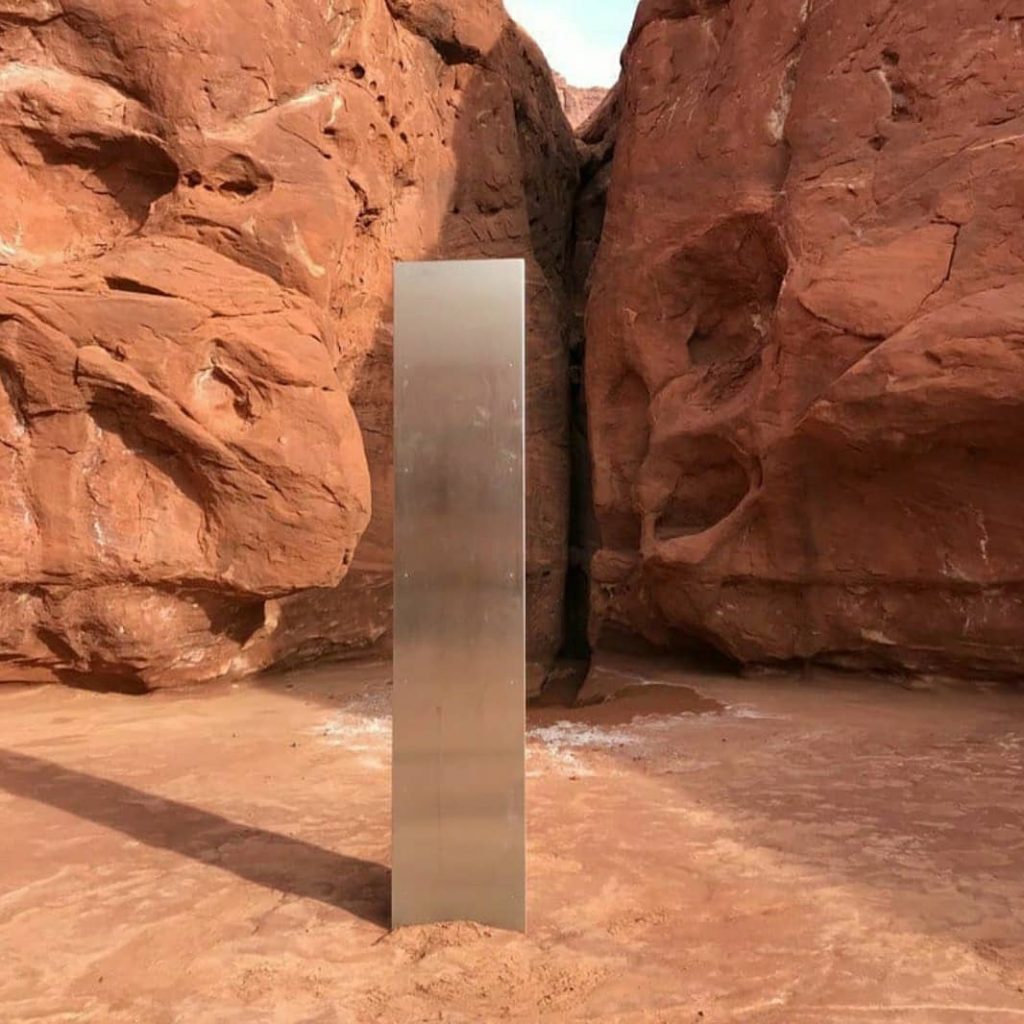
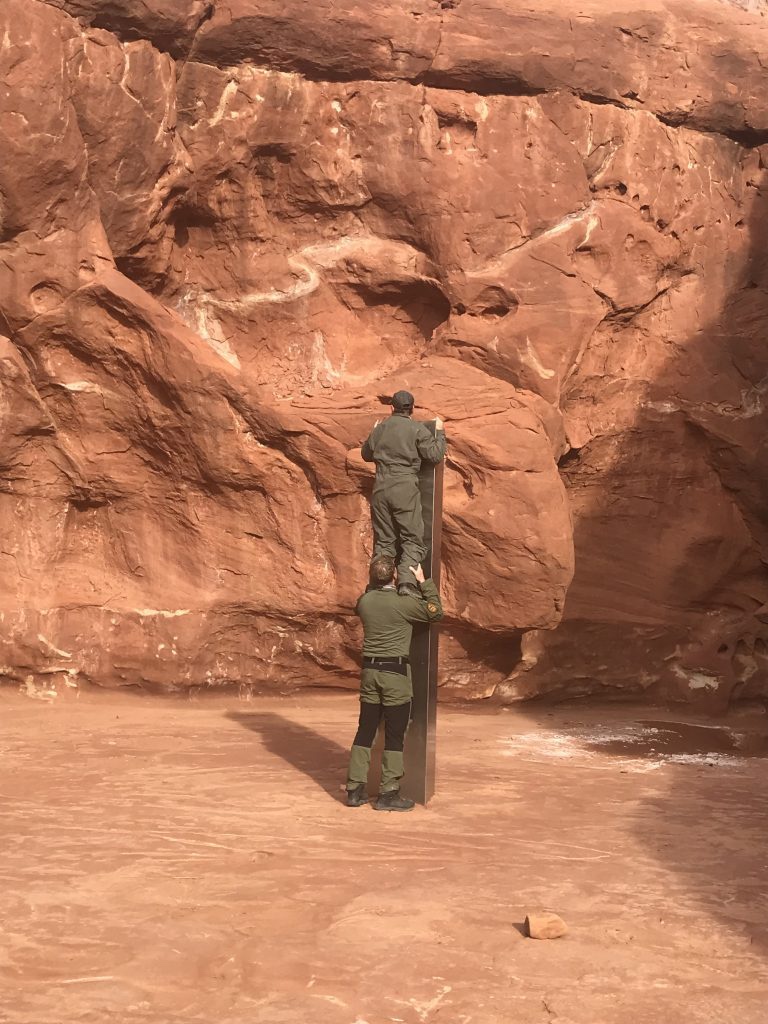
The exact location of this remarkable monolith remained a secret, but aerial footage showed it placed among the red rock canyons of southern Utah, a region known for its unique terrain. The monolith, standing at a height of 10 to 12 feet and seemingly made of metal, left observers amazed. People speculated about its origins, from the possibility of aliens to avant-garde art.
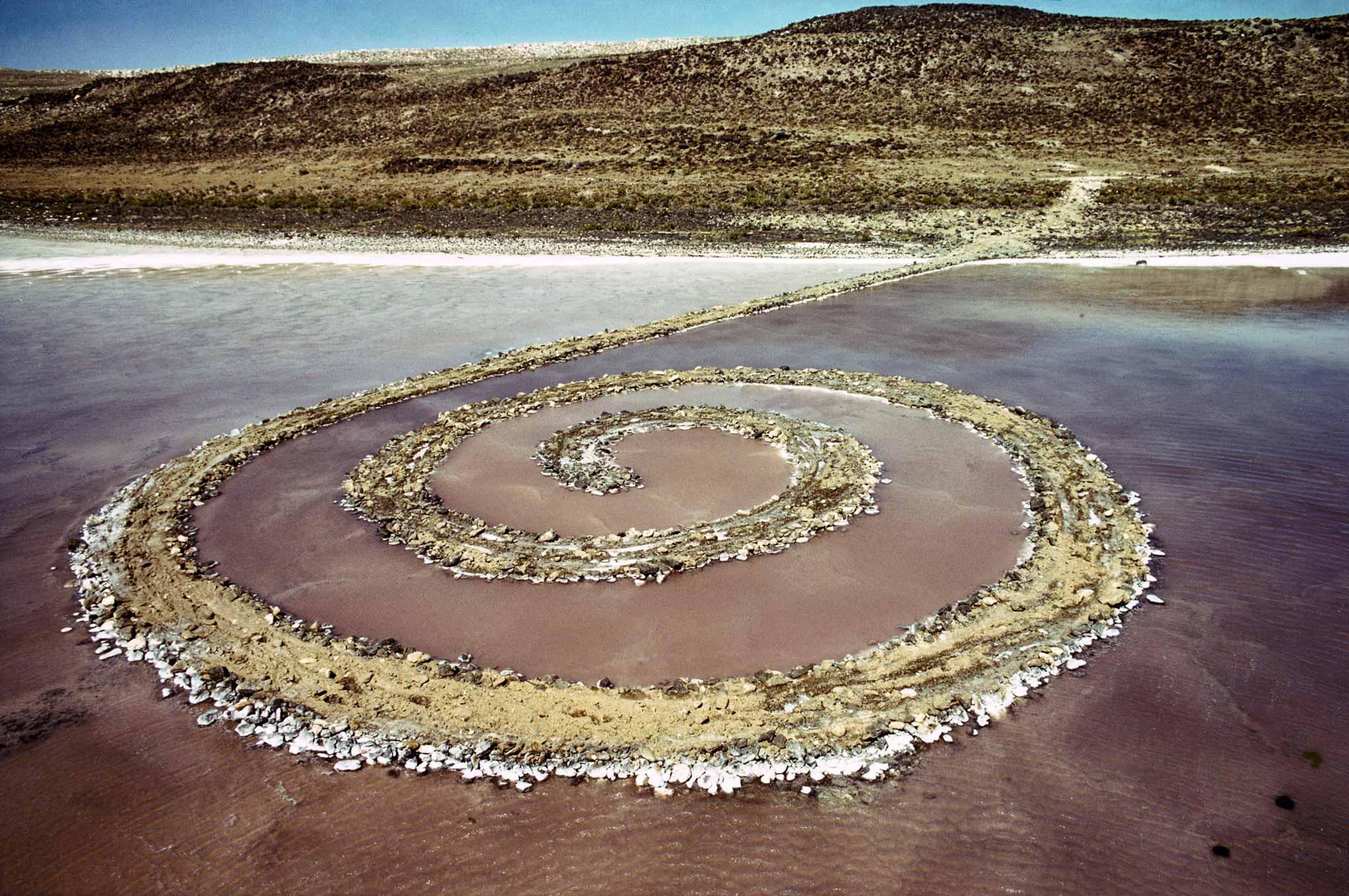
While the Southwestern United States has a history of Land Art, characterized by its remote and hidden nature, this monolith remained a mystery. It served as a testament to the enduring appeal of art that defies boundaries, much like other famous works such as Robert Smithson’s “Spiral Jetty” and Michael Heizer’s “Double Negative.”
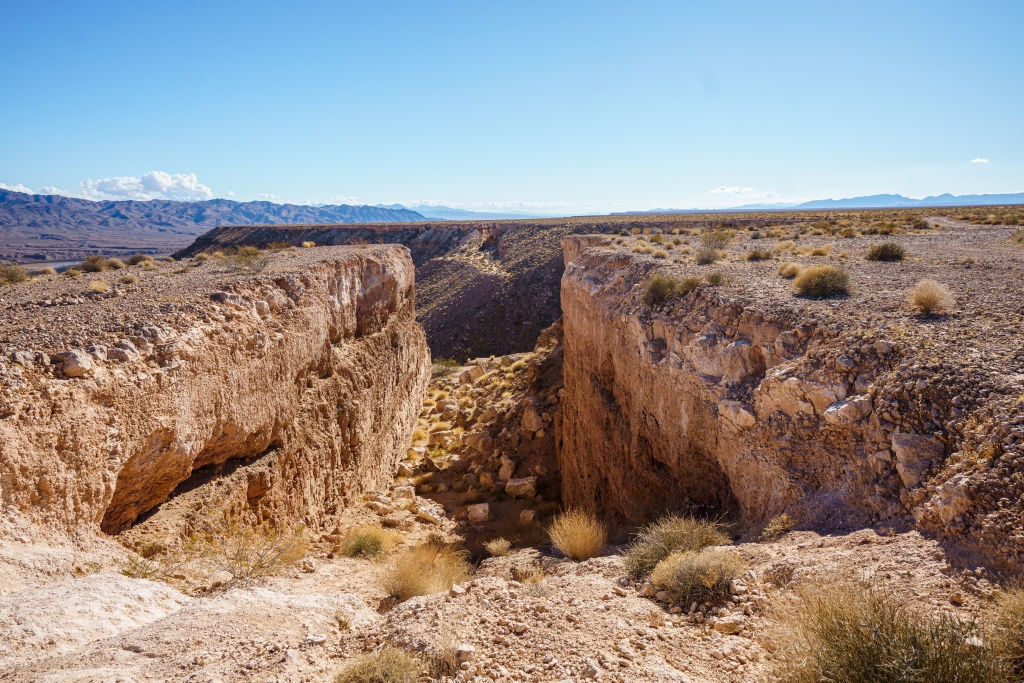
Bret Hutchings, the helicopter pilot who stumbled upon this surreal creation, shared his thoughts with KSL news. He suggested, “Maybe it’s the work of a new-wave artist or someone who really liked ‘2001: A Space Odyssey.‘” Despite many inquiries, no artist claimed responsibility for the monolith. Even David Zwirner, who represents John McCracken, remained silent when asked about it.
Despite the mysteries surrounding this monolith, some plausible theories emerged, offering more substance than the idea of a “new-wave artist” or aliens. One prevalent theory pointed to Petecia Le Fawnhawk, an artist from New Mexico known for her sculptures in desert landscapes. When asked, Le Fawnhawk admitted to thinking about the idea of secret monuments in the desert but denied any connection to this particular creation. She expressed her initial hope that it might be a lost work by well-known artists or even a tombstone.
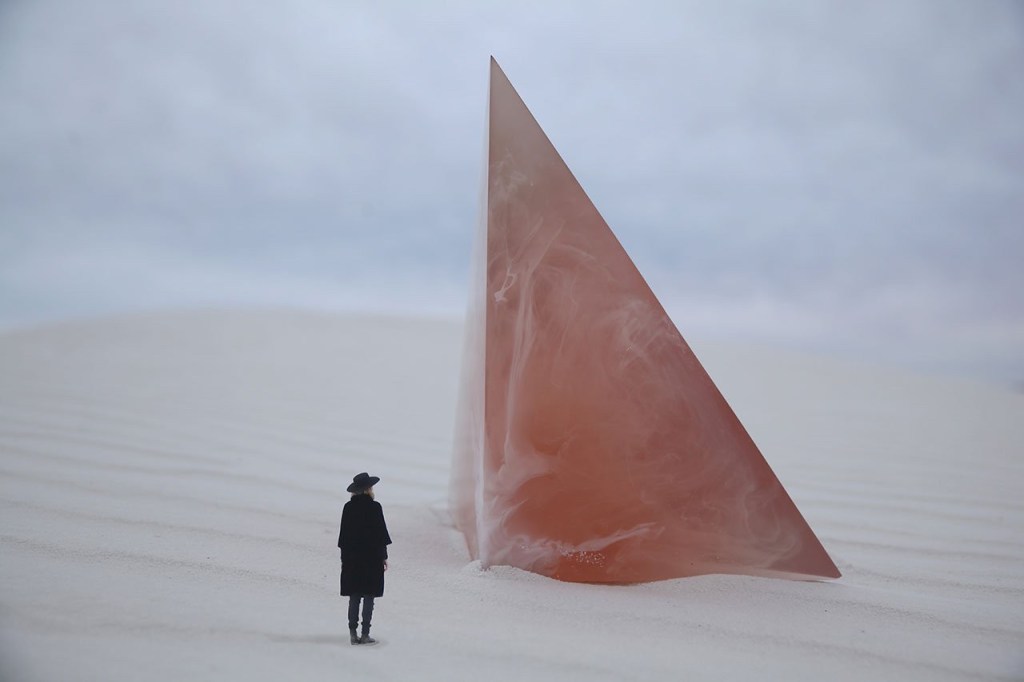

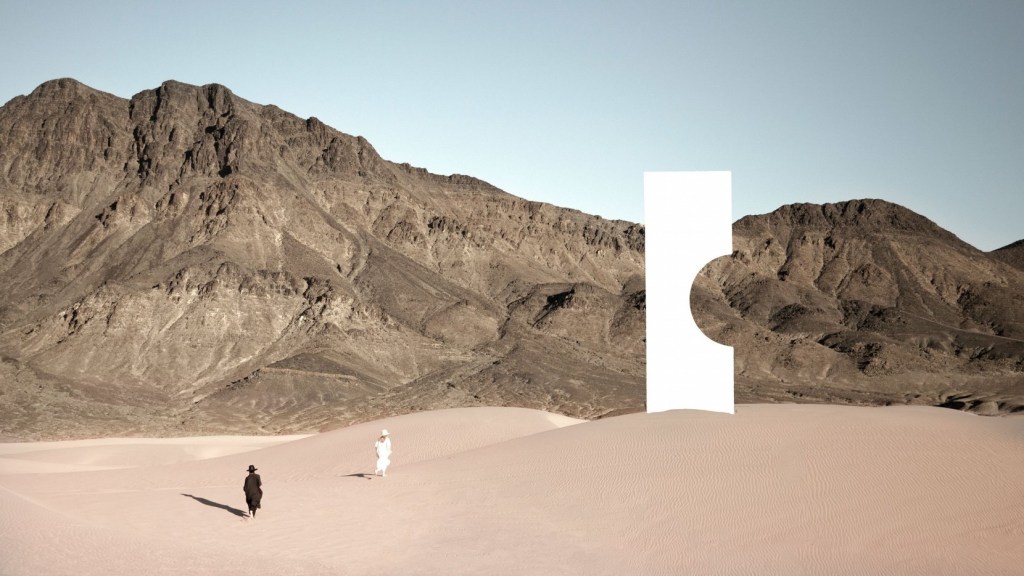



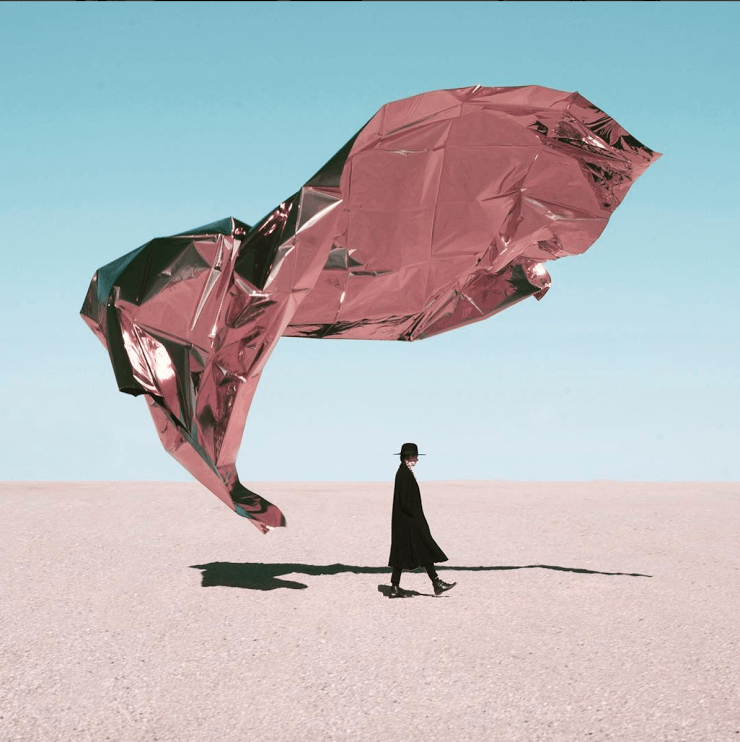

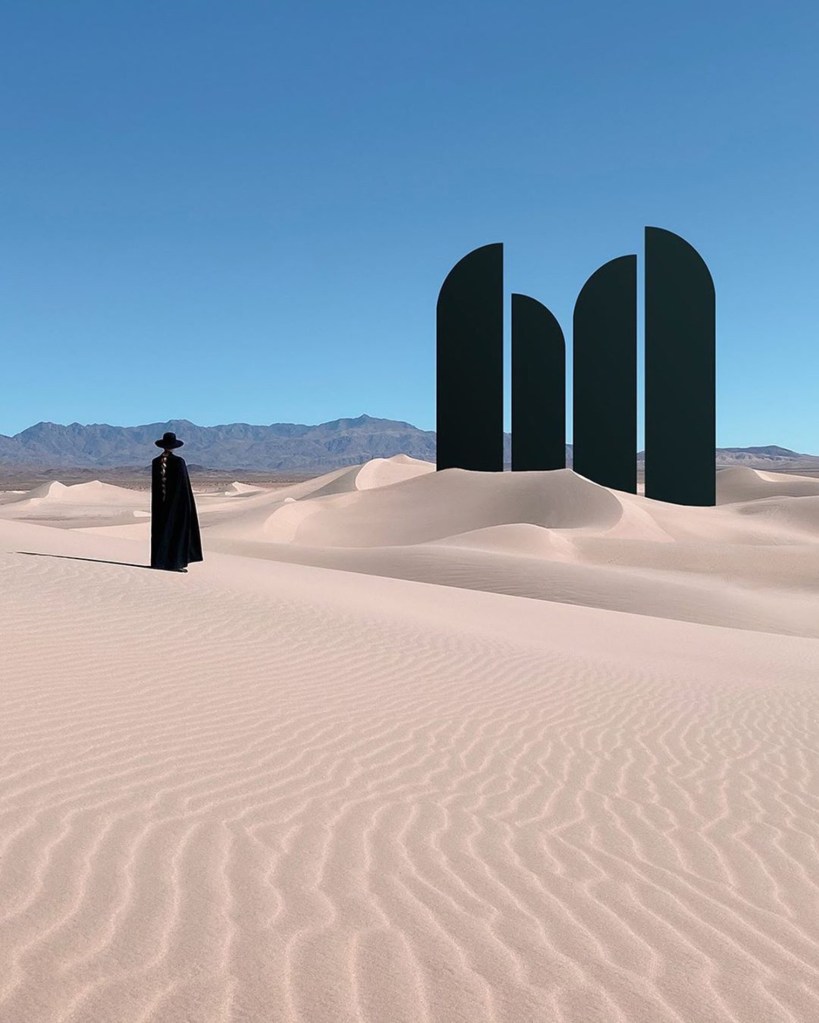
Stuck between myths and reality, one can’t help but wonder about the true origin of this Utah desert monolith. Could it be the work of a hidden artist or a tribute to a famous sci-fi movie? The mysteries surrounding this enigmatic structure continue to capture our imagination and curiosity, highlighting the enduring fascination with unexplained phenomena in our world.

But in the world of myth-busting flash news, an Instagram post has seemingly identified the creator.
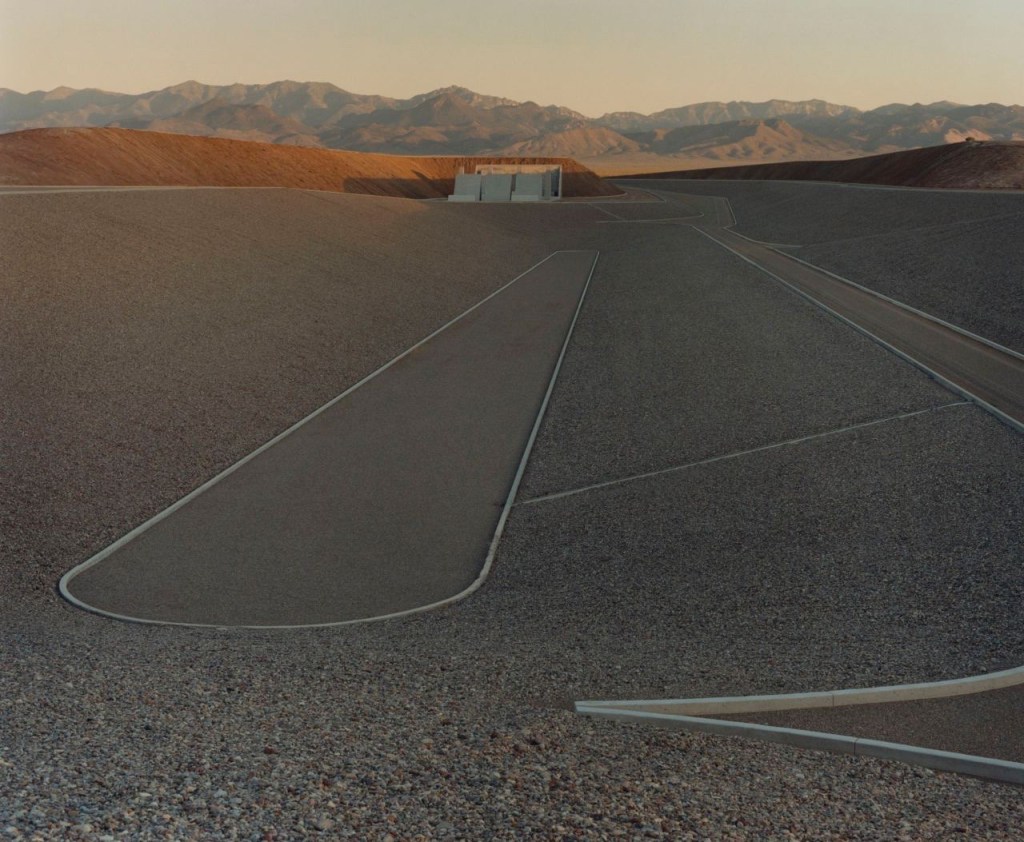
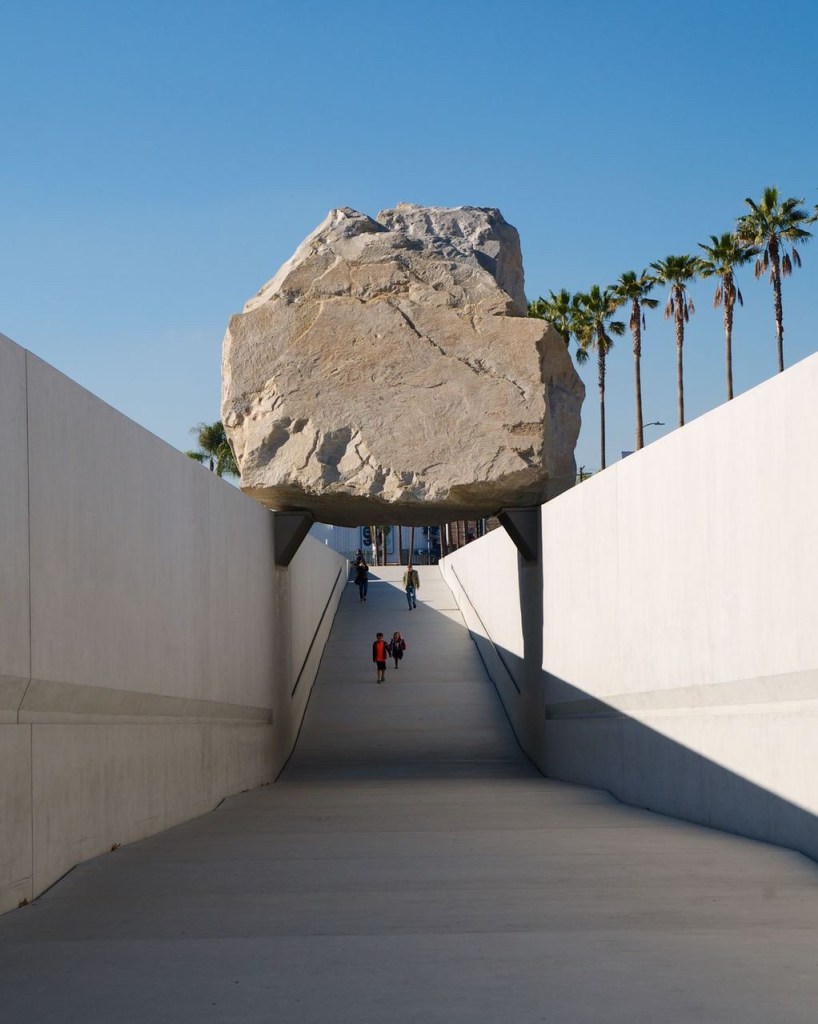
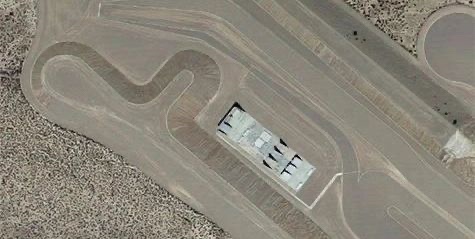
As suspected earlier, the mysterious creator behind this remarkable block turned out to be none other than Michael Heizer. Heizer is a renowned artist and pioneer in the realm of land art and eco-placemaking. His innovative approach to sculpture and earthworks, which he initiated in the vast landscapes of the American West back in 1967, has earned him immense recognition and admiration from the art world. What sets Heizer’s work apart is his utilization of heavy machinery and raw materials found within the natural environment. He masterfully crafts awe-inspiring sculptures and earthworks that seamlessly integrate with their surroundings, creating a harmonious dialogue between art and nature. These artworks can often take years, if not decades, to complete, as Heizer meticulously sculpts and shapes the earth to bring his visions to life. By discovering that Michael Heizer is the mind behind this extraordinary block, an additional layer of intrigue is added to the already captivating story.
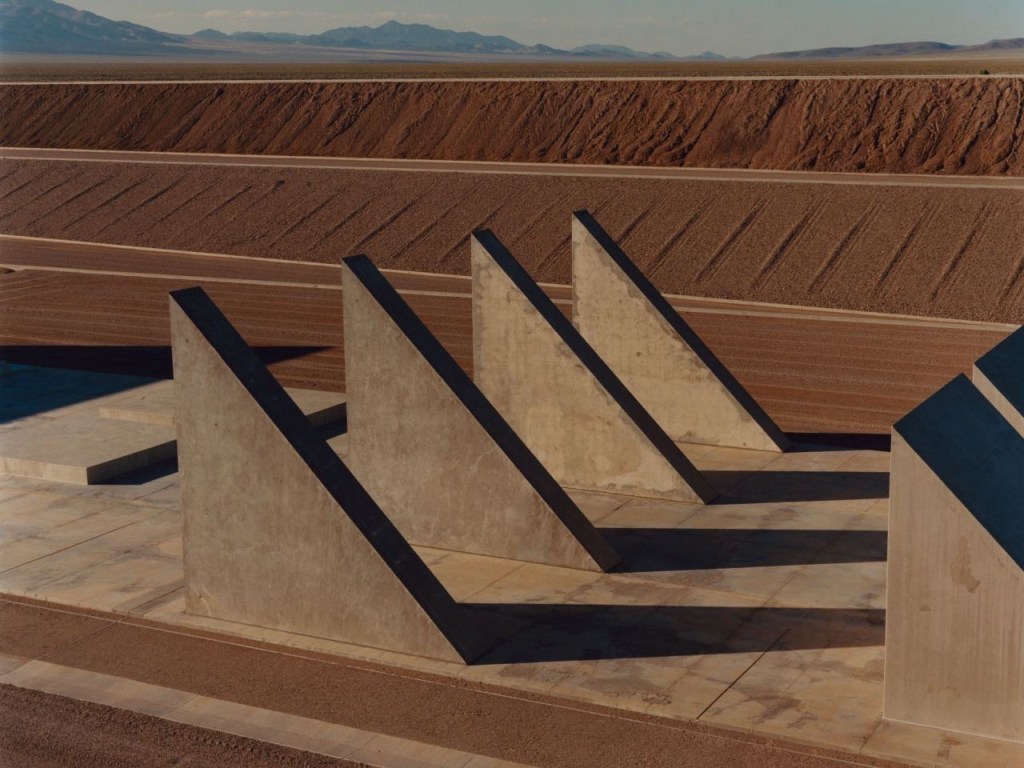
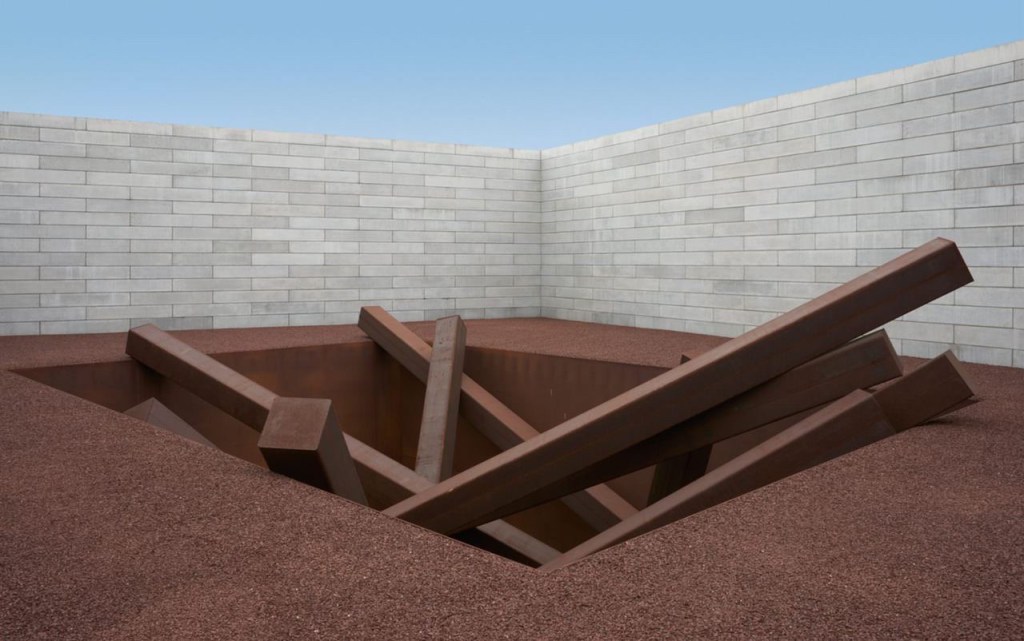
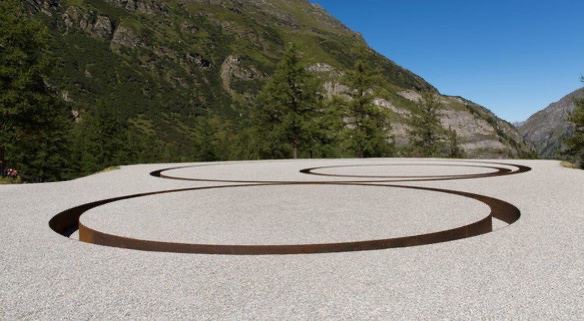
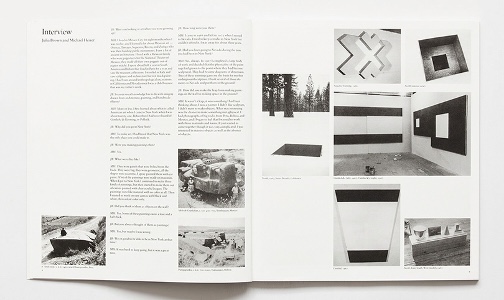
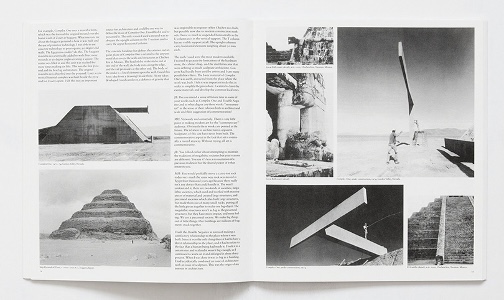
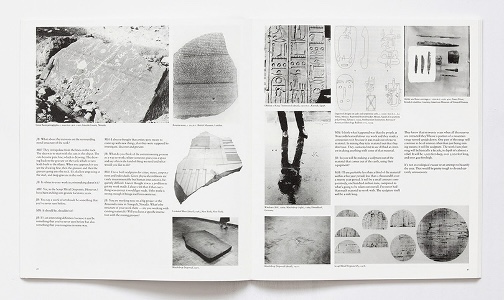
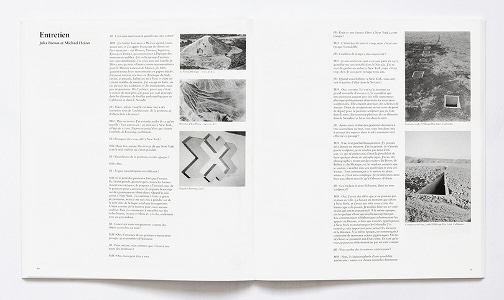
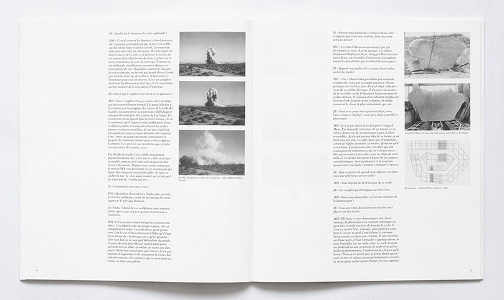
Sculpture in Reverse is the reedition and first translation of an interview between Michael Heizer and Julia Brown, first published in 1984 in the exhibition catalogue Michael Heizer, Sculpture in Reverse (Museum of Contemporary Art, Los Angeles—MOCA).

Sign up for our freshly baked posts
Get the latest culture, movie, and urban life updates sent to your inbox.
Subscribe
Join a bunch of happy subscribers!
 POSTMODERN PROMETHEUS
You must be logged in to post a comment.