We’re back with a new Dark Side of the City entry — a dive into the cultural turns reshaping how we see, speak, and spatially exist. From theoretical labyrinths to real walls covered in dolls, this one’s tangled, sharp, and very now.
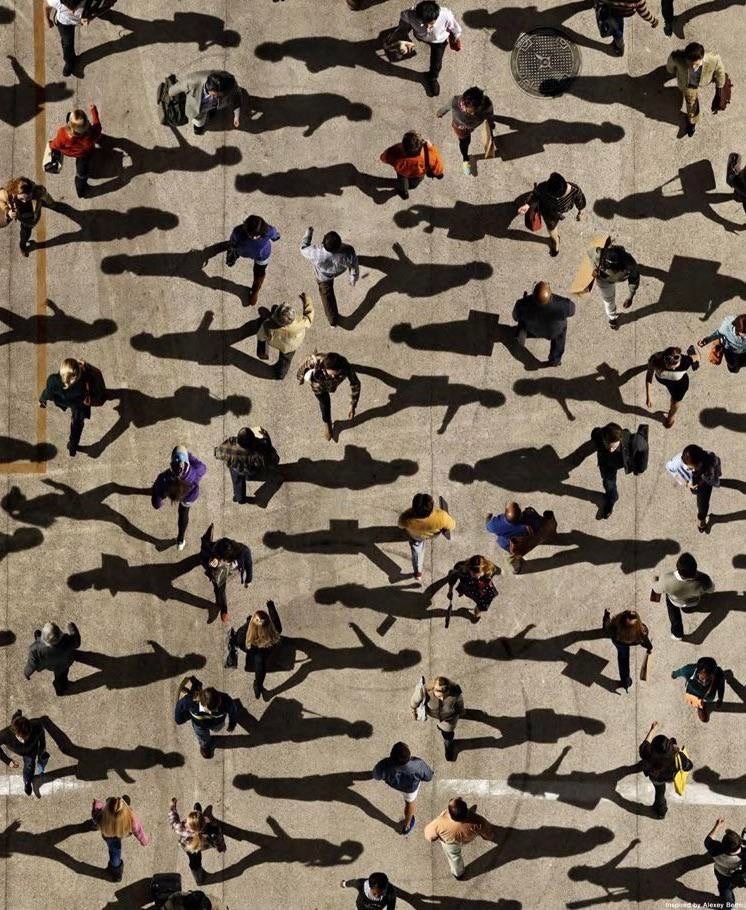
You’ve probably seen it all before: phrases in brackets, titles stitched together with slashes and parentheses — from the (post)Soviet to de(con)struction. But there’s another semiotic parasite crawling through critical writing: the turn.
The literary turn. The visual turn. The affective turn. The spatial, linguistic, digital, decolonial — name a thing, and there’s probably a “turn” for it. A cultural plot twist of academic proportions.
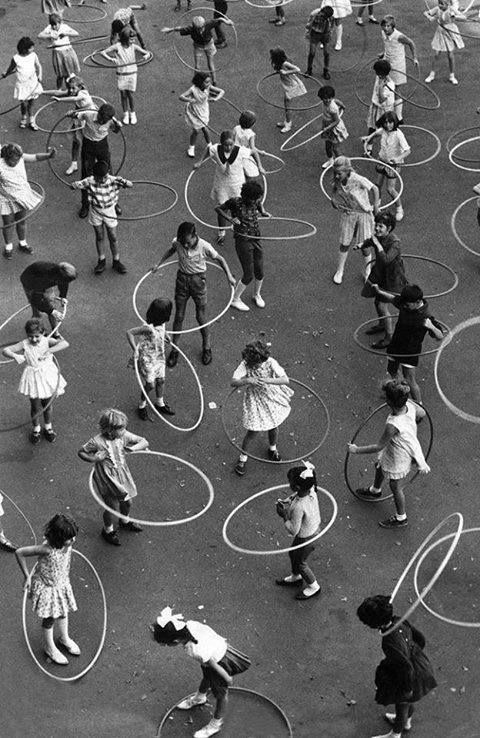
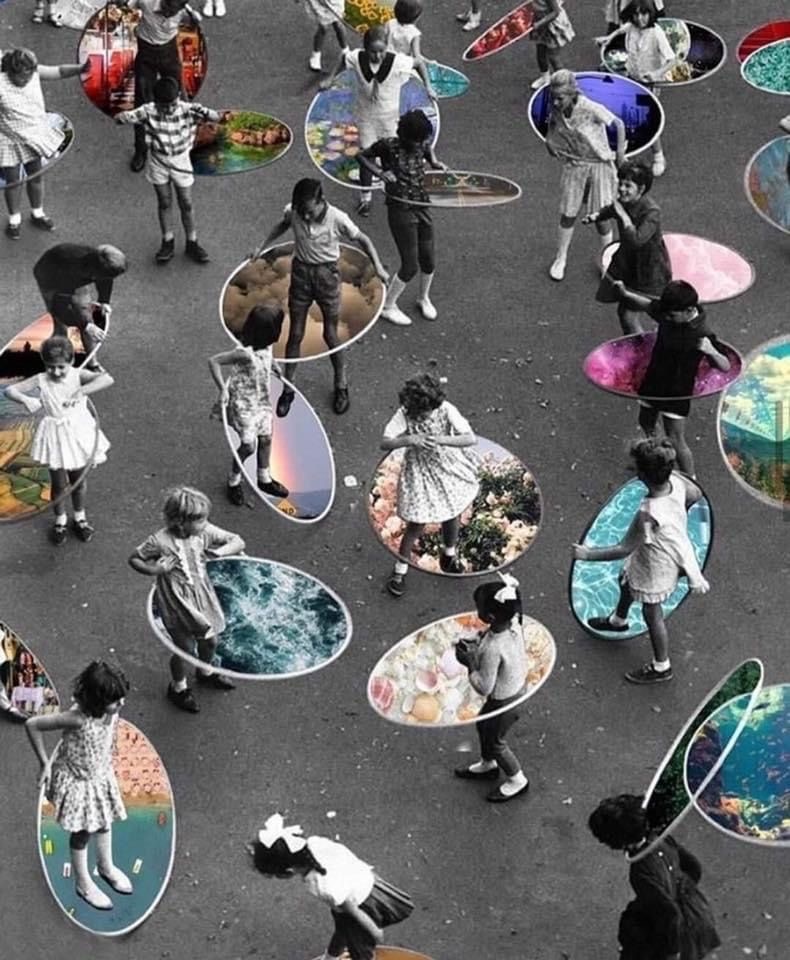
But what do all these “turns” actually mean?
According to German theorist Doris Bachmann-Medick, cultural turns are paradigm shifts in epistemology — responses to crises, changes, or evolutions in society that demand new ways of thinking. When practice and theory can no longer mirror reality, theory mutates. These turns aren’t just linguistic fads — they signal real reorientations in how we understand identity, space, time, power, and meaning.
And like any good theory, they travel. Edward Said and James Clifford called this the “traveling theory” phenomenon — the way ideas cross borders, disciplines, and contexts, picking up new functions along the way. Cultural turns often happen at the intersections of global shifts and academic anxieties, where the need to describe a changing world creates a new language.
A good example is the gender turn in urban studies, where scholars started asking: “Whose city is this anyway?” Suddenly, streetlights became political. The spatial design of cities — public vs. private, visibility vs. safety — was revealed to be deeply gendered. Urban space is a masculine construct, one where women still often navigate with keys clenched between their fingers. Educational projects like FEM TALKS and podcasts like “Woman and the Cities” made it clear: the city isn’t neutral. It’s coded, and the code is patriarchal.
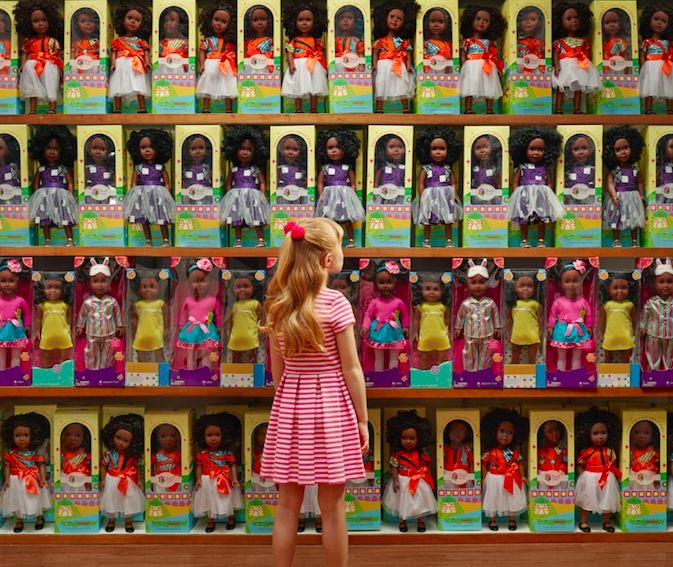
Gender turn. Postcolonial turn. Visual turn.
They travel. They adapt. They become “traveling theories,” as said by Said or Clifford — bouncing between disciplines and cities, like Wi-Fi signals, always re-routing through global noise.
And sometimes, they materialize.
Case Study: The Wall of Dolls, Milan
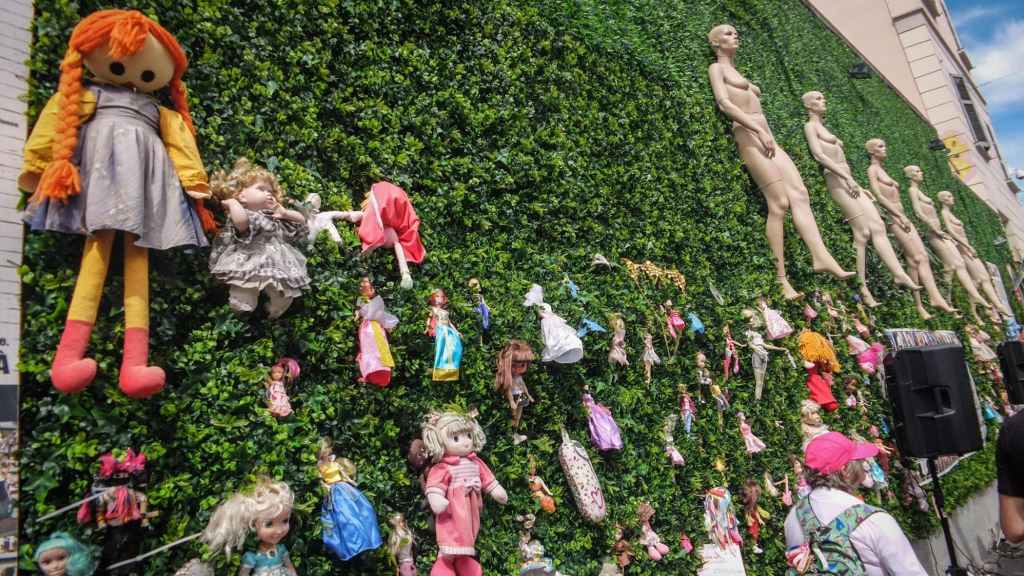
One such materialization stands near the Porta Ticinese: Il Muro delle Bambole is both an installation and an open wound. What started as an art installation in 2014 by journalist and activist Jo Squillo has become an evolving, public monument against gender-based violence, it’s a participatory memorial to women murdered by domestic or gender-based violence. People hang dolls — weatherworn, broken, hand-labeled — to represent individual victims. Each doll is a story. Each face a disappearance.
Originally, it was meant to confront the sanitized surfaces of Milan with something raw and unglamorous. The fashion capital was forced to share space with a grotesque kind of beauty: a shrine of grief that grows with each year. It’s updated by families, strangers, students. It bleeds into the city’s fabric.
But here’s the twist: in 2021, someone set it on fire.
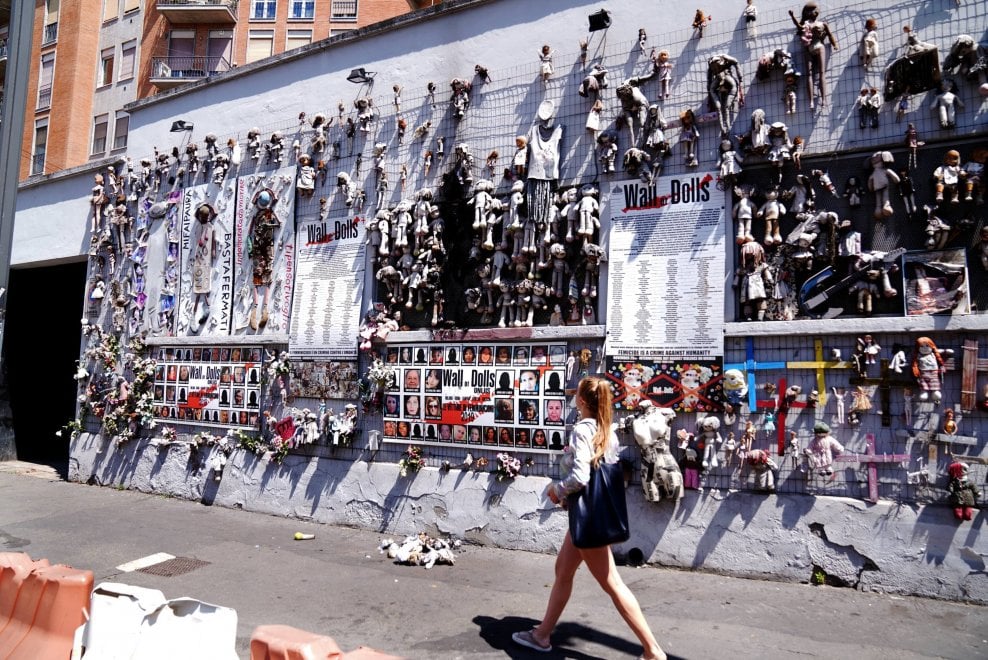
The arson wasn’t just vandalism — it was backlash. An attack on visibility, on the idea that grief could be public. That memory, when feminized, could be inconvenient. The Wall of Dolls, in this light, becomes a battleground for the iconic turn: a shift from textual to visual epistemology, where images carry the theoretical weight. (Yes, there’s a turn for that too. See also: phenomenology and visual culture studies.)
In the case of Milan, the dolls are more than symbols — they’re interruptions. They disturb the flow of the city, acting as micro-resistances against the patriarchal regulation of memory. And because they live outdoors, vulnerable to time and violence, they remind us that commemoration is never safe — especially for women.
Here, the gender turn in urban theory — which exposes how cities are built for men, not women — takes physical, textile, ghostly form.
You don’t walk past it without feeling watched back.
⸻
Turns don’t just shift theory — they shift power. They expose the norms hidden in the frame. When cultural theory turns, it also turns the gaze.
So next time you walk past an installation, or scroll past another academic paper that claims “a new turn,” pause. Ask yourself: what is turning, and who’s doing the turning?
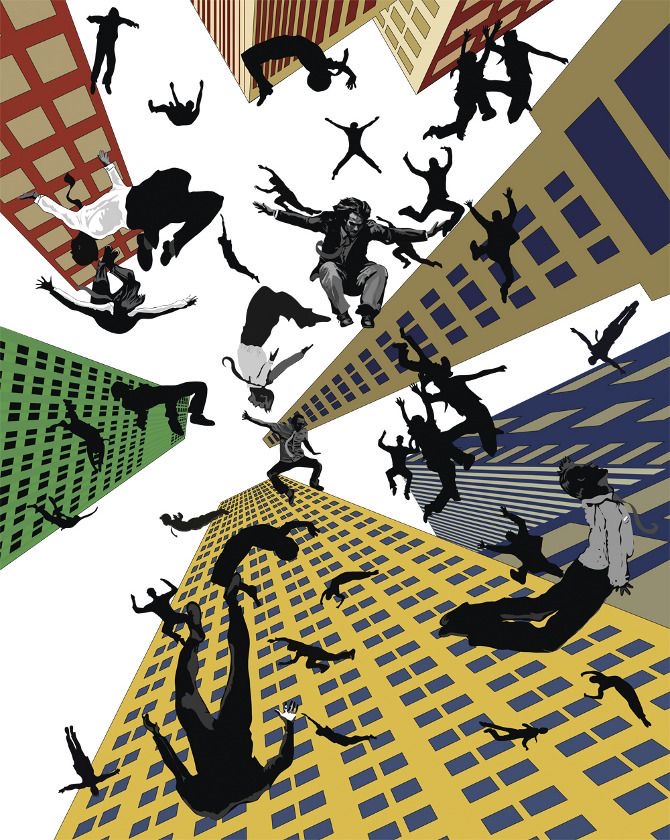
Cities remember. Cities also forget.
The Wall of Dolls interrupts forgetting.
Because sometimes, the city itself turns its gaze away.
⸻
That’s it for now from the dark side. But cultural ghosts don’t rest long. Stay tuned — more tangled theory, haunted corners, and epistemological flashbangs incoming.

Sign up for our freshly baked posts
Get the latest culture, movie, and urban life updates sent to your inbox.
Subscribe
Join a bunch of happy subscribers!
 POSTMODERN PROMETHEUS
You must be logged in to post a comment.