
We’re back with a new transmission
MUSIC SPECIAL
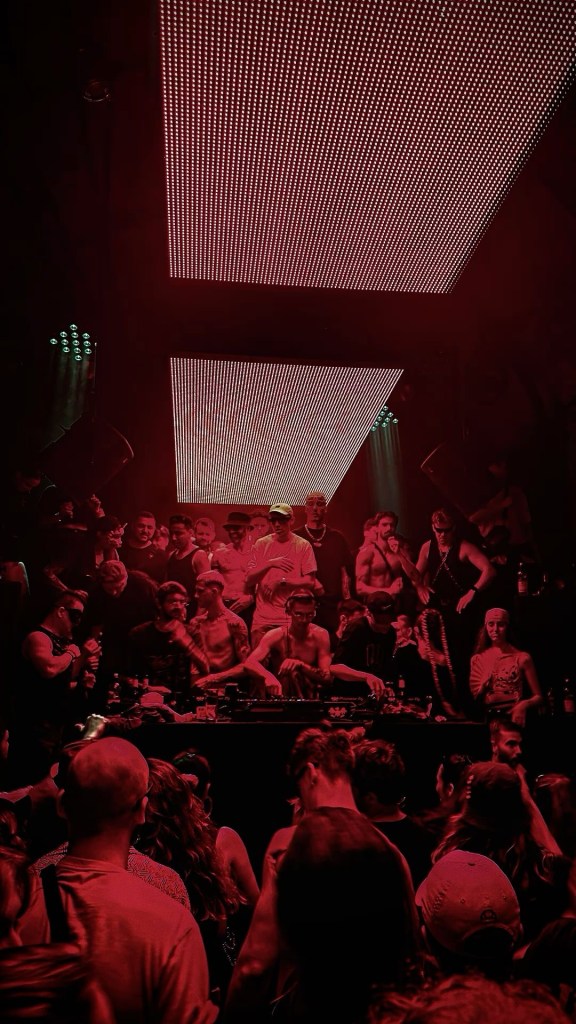
Who hasn’t heard of wild raves back in the 00s and early 2010s? Arma17 didn’t just throw parties. It threw cultural grenades into the twilight of post-Soviet nightlife—and the echoes are still bouncing off the concrete.
Let’s start with a cliché: techno never really dies. But it does something much more interesting—it pretends to die just long enough to be reborn. In Moscow, that rebirth came cloaked in post-industrial aesthetics, state paranoia, and a hunger for sonic communion. Somewhere between the ruins of the 1990s and the gentrified warehouses of the 2010s, a myth was born. It was called Arma17.
Welcome to a story about nostalgia without memory, resurrection without loss, and the uniquely Russian art of turning a club into a legend.
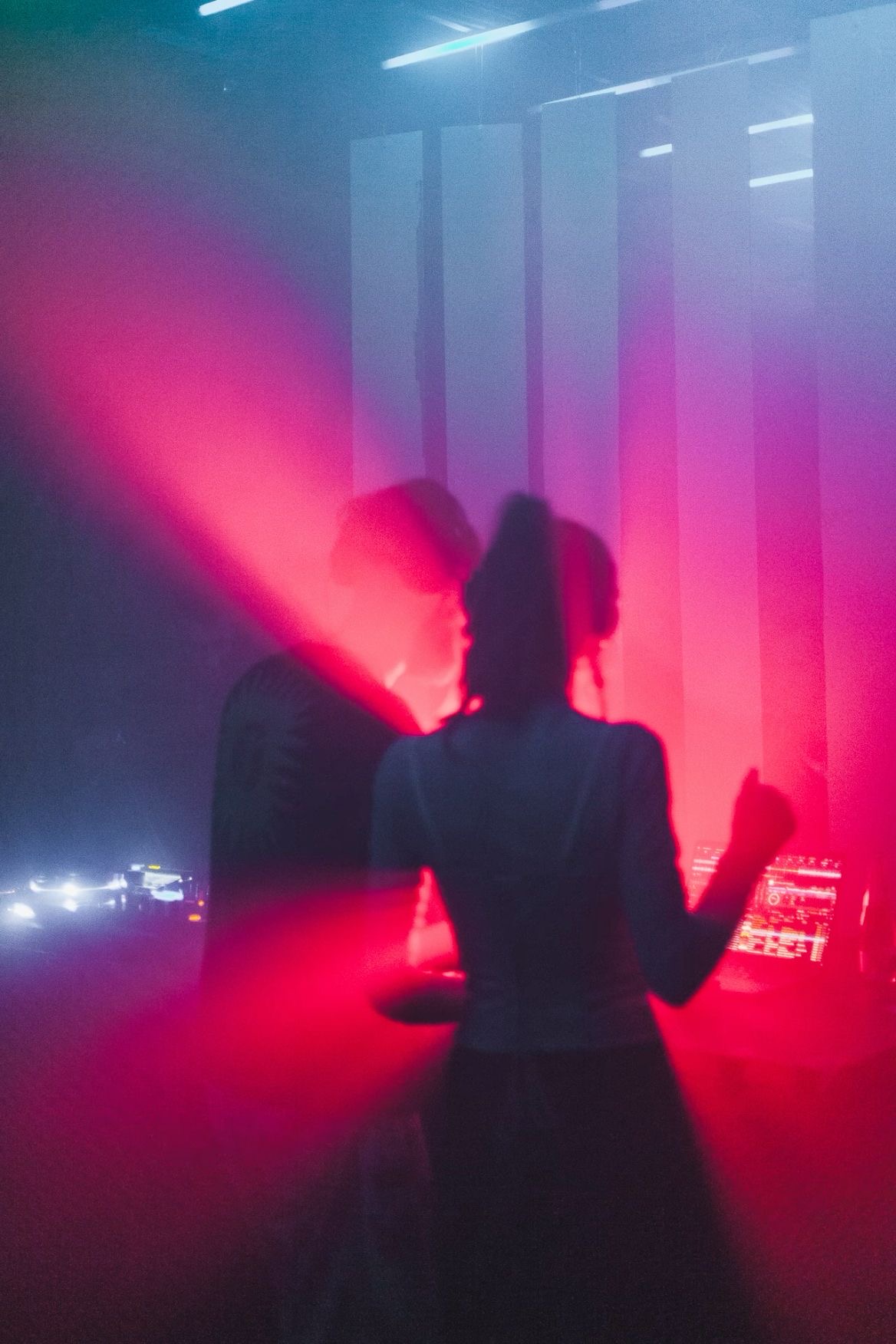

Chapter One: The Revival That Wasn’t
In the dusty tomes of music theory, the word revival carries anthropological weight. Tamara Livingston calls it “a social movement to restore a musical system believed to be disappearing.” Simon Reynolds says it’s less about memory and more about mimicry—revivals mirror the present, not the past. The musical and genre narratives revival usually brings forward what Owe Ronström calls ‘cultural transmission‘—the movement of music from one era or cultural group to another, more progressive one. This transition is marked by processes of decontextualization and recontextualization, or what Ronström describes as a ‘shift‘ (Remember cultural turns?)
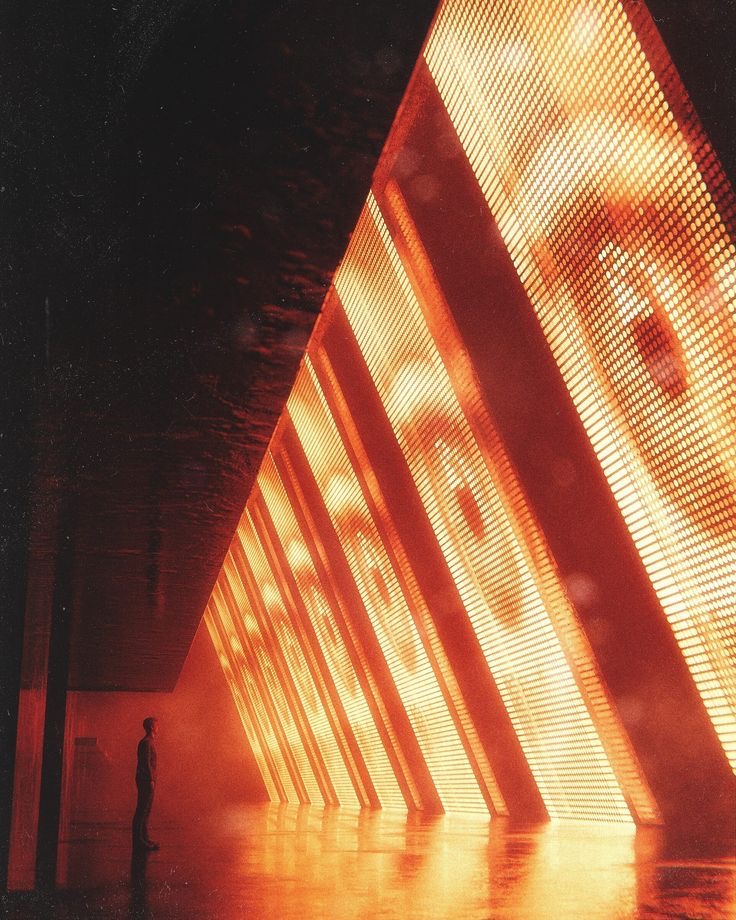
Now zoom in on Moscow circa 2014: a city shedding its hipster gloss, recovering from an indie hangover, and suddenly dancing again. Everywhere, echoes of Berlin’s 90s techno boom. But this wasn’t just imitation. Something deeper was brewing—a craving for atmosphere, for ritual, for a sonic space that didn’t feel like a lifestyle brand.
That’s where Arma17 enters, glowing faintly through the industrial smoke like a techno messiah in a Funktion-One robe.
Chapter Two: Industrial Cathedrals and Cultural Codes
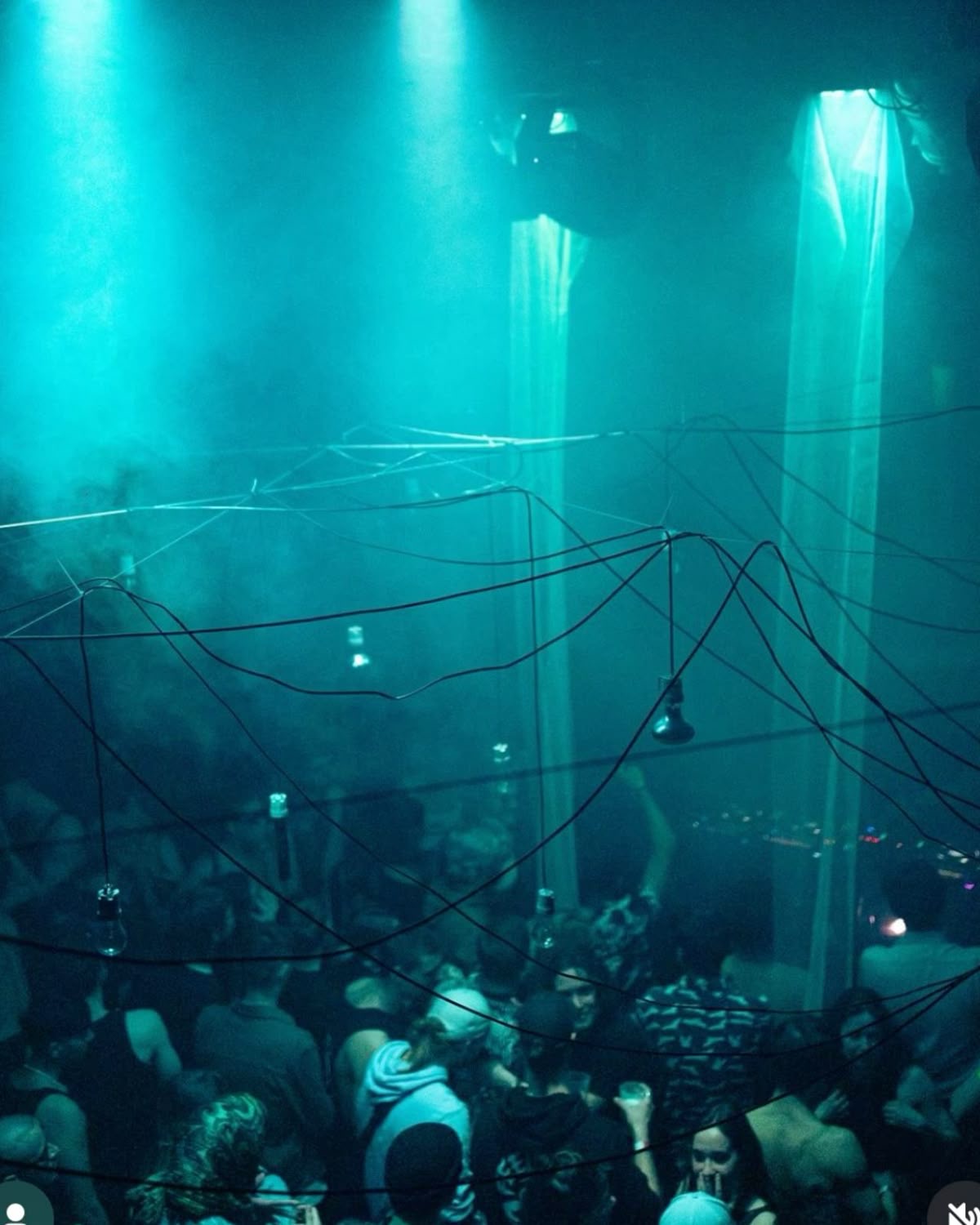
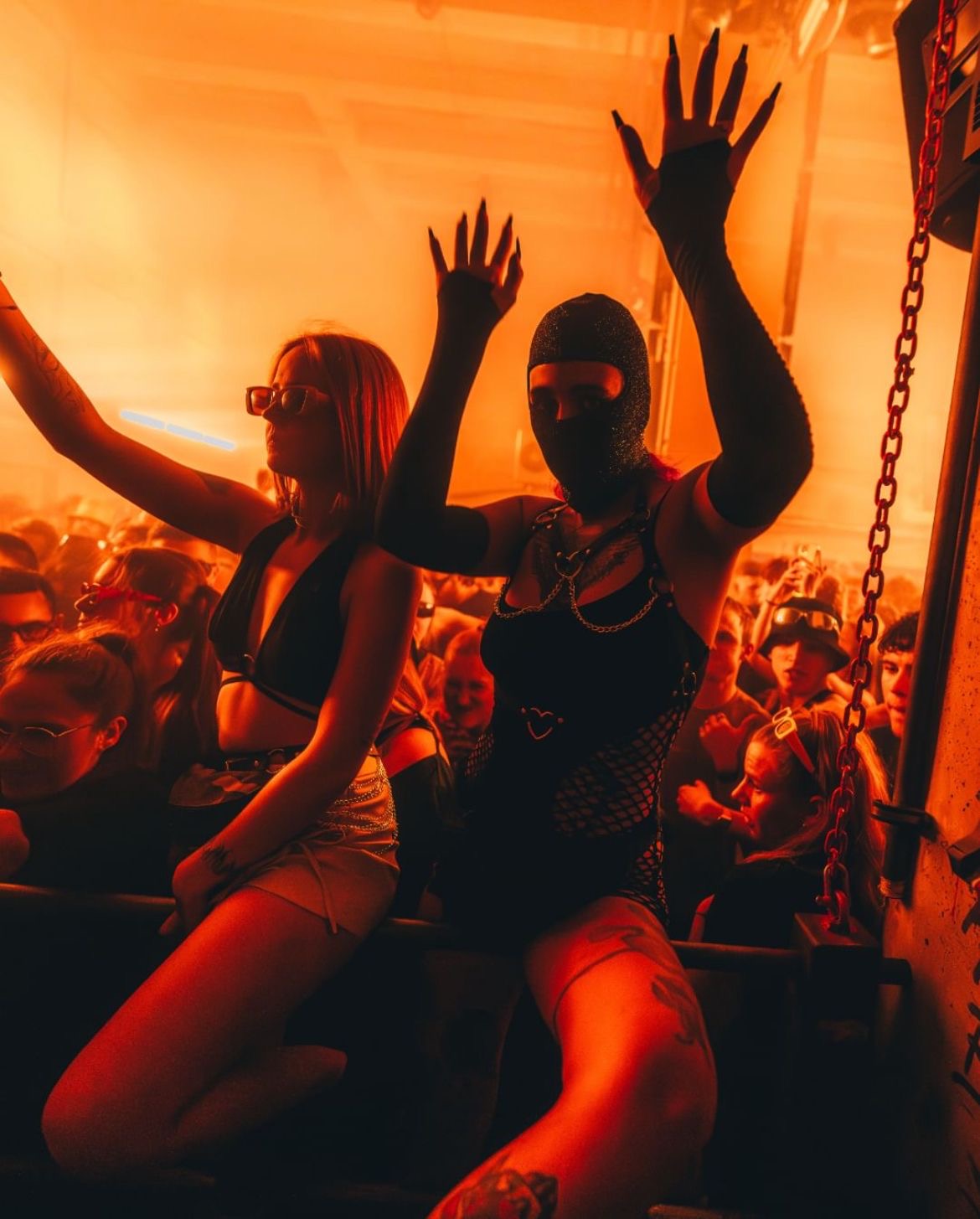
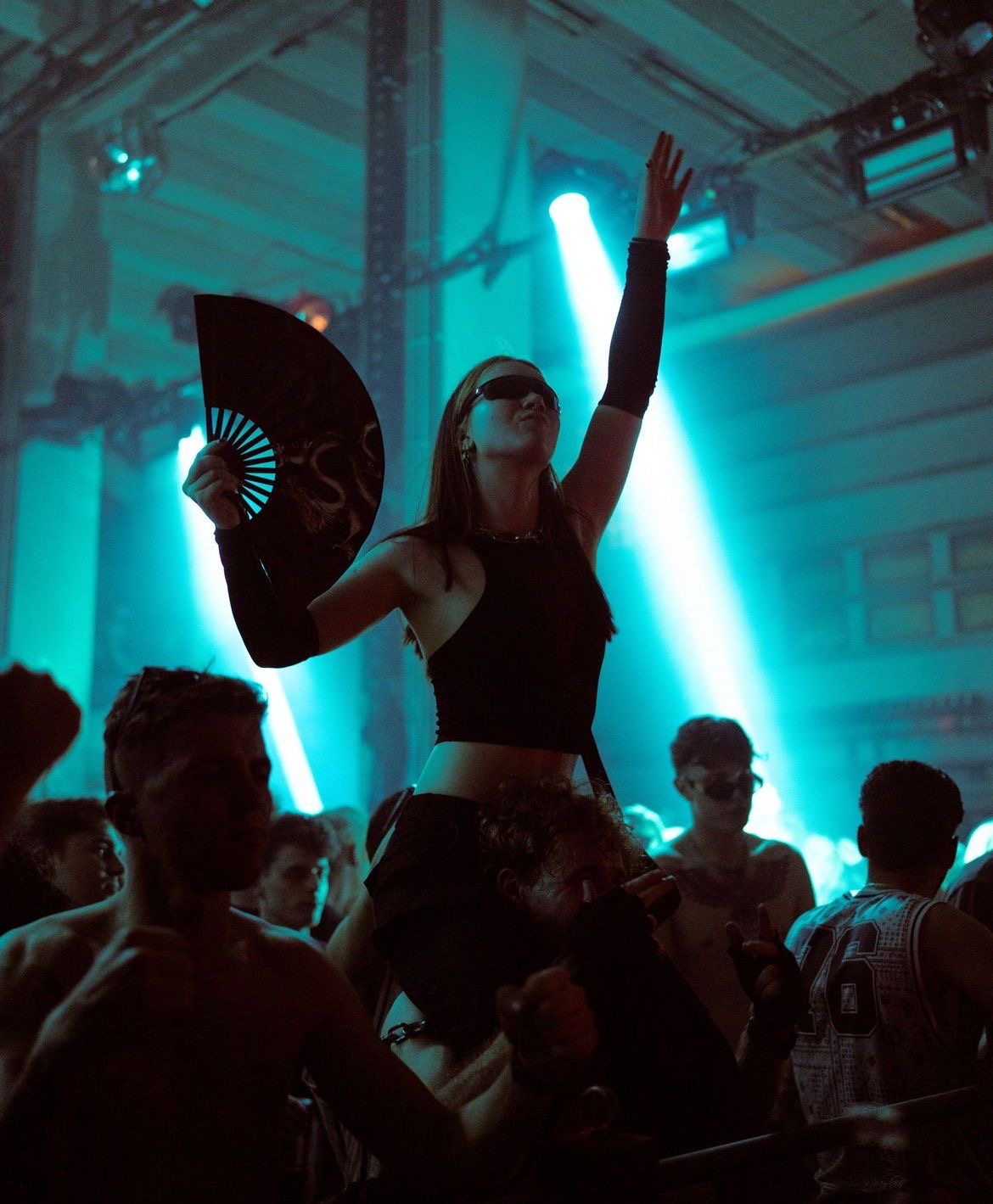
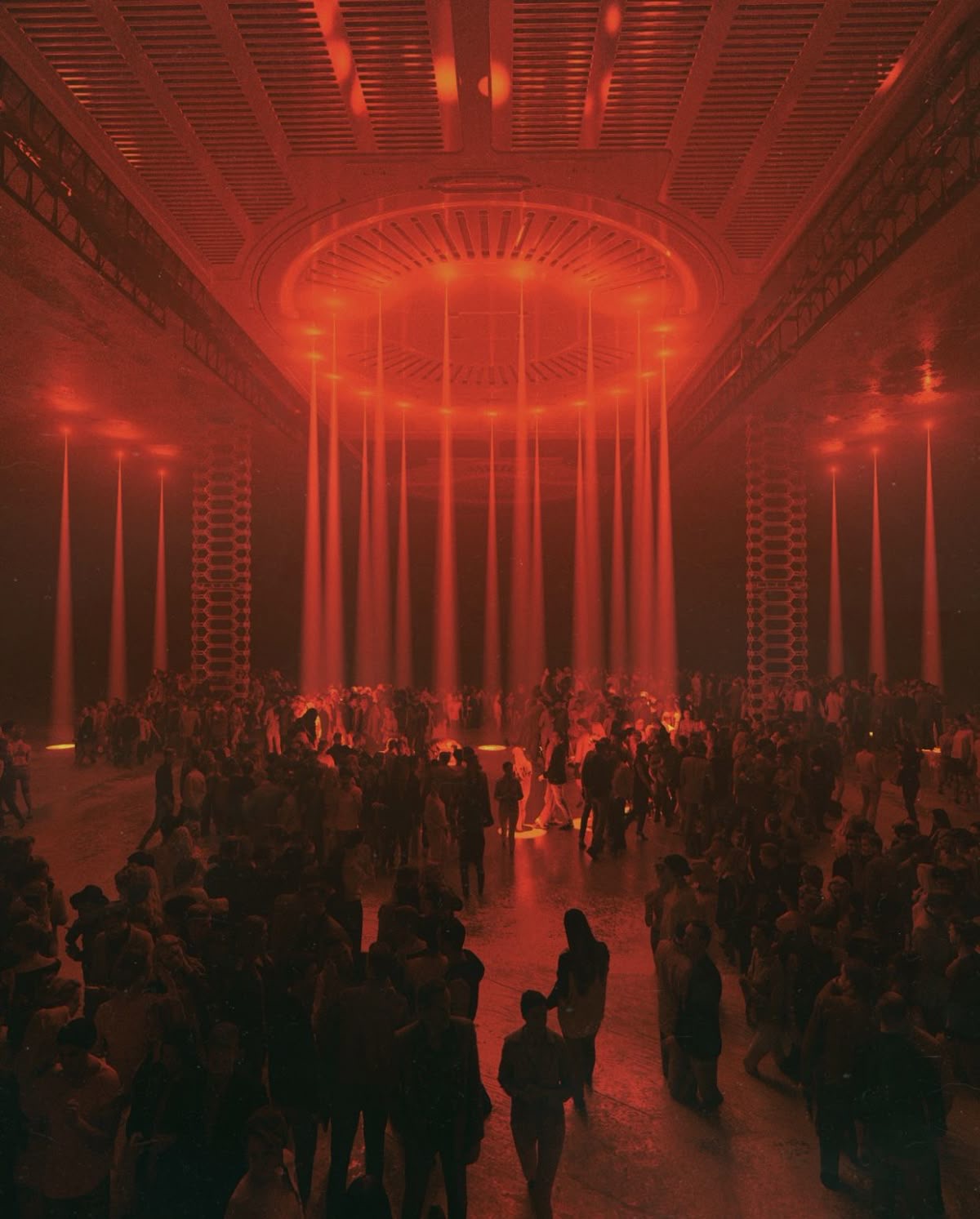
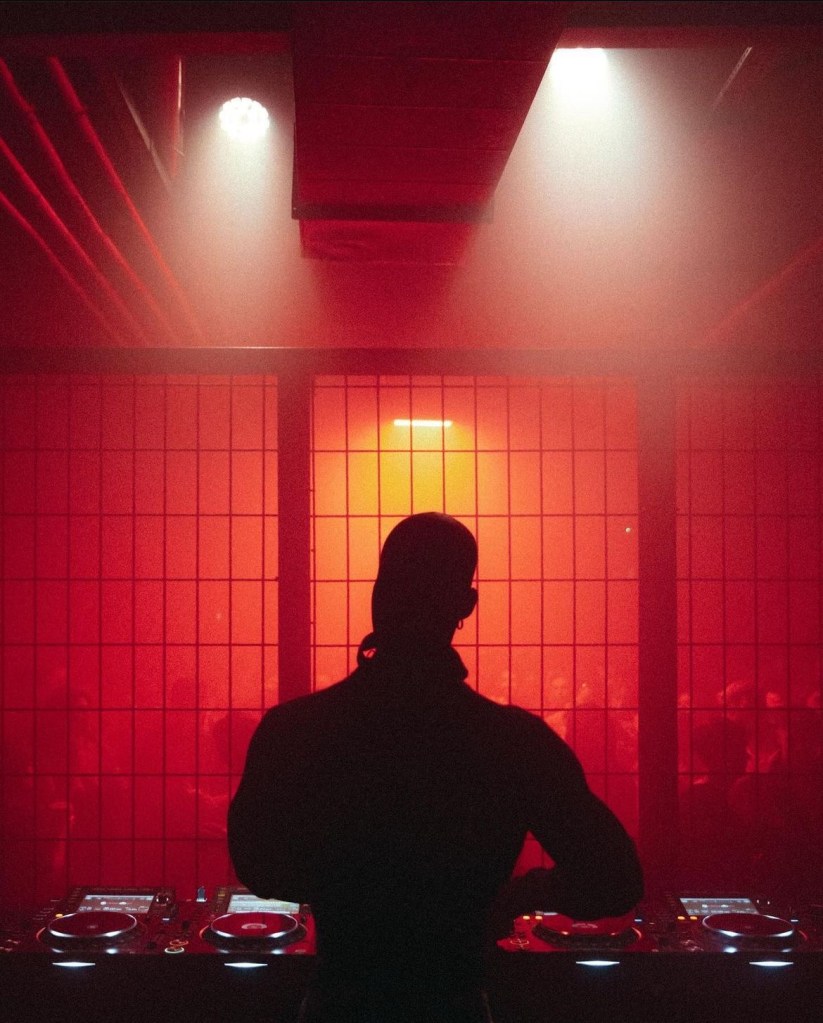
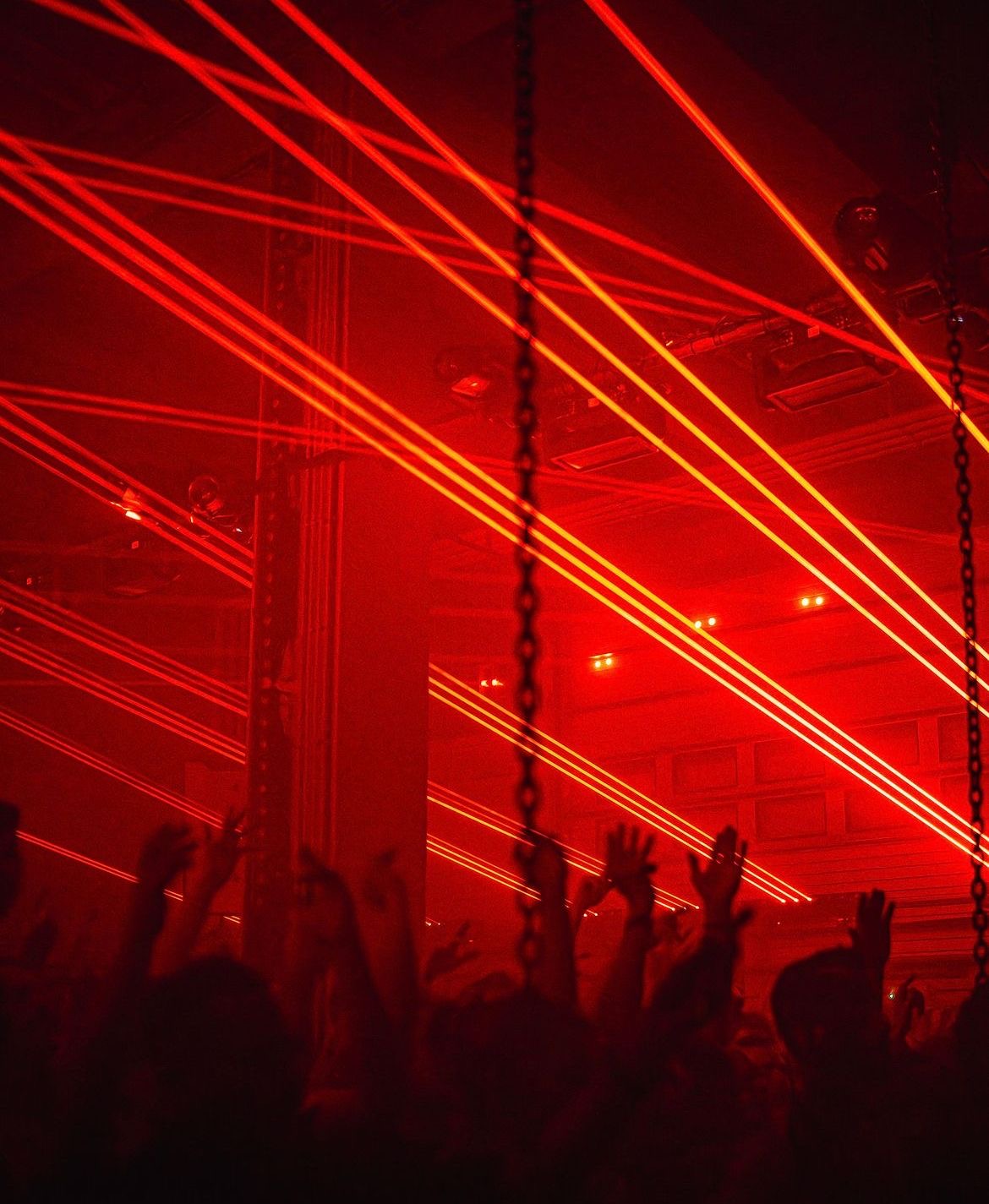
Built on the ruins of an old gas plant, Arma17 didn’t just host raves—it curated atmospheres. With its raw concrete walls and high-concept visuals, it became a rite of passage for the aesthetically inclined and a beacon for Russia’s scattered electronic diaspora.
The club’s rise coincided with what journalists called a “techno renaissance.” But scratch the surface, and the so-called renaissance reads more like a media loop: blog posts, year-end lists, interviews where DJs name-drop Andy Stott, Actress, and Oneohtrix Point Never.
Still, the energy was real. Labels like Incompetence Records and artists like Philipp Gorbachev didn’t just quote Berlin—they rewired the city’s nervous system. Suddenly, you could hear IDM, industrial, acid, and ambient in the same night, sometimes on the same dancefloor. One artist put it best:
“All of it could be happening at Arma, and it still felt like one shared experience.”
In a 2015 interview, Interchain member Andrey Lee recalled attending a live show by Philipp Gorbachev (a key Arma17 artist) at the NII venue in Moscow, where Gorbachev exclaimed after the set:
Philipp Gorbachev
“WOW—WHEN DID PEOPLE IN MOSCOW LEARN TO DANCE?!”

My personal nostalgic track from Arma17
It wasn’t techno—it was techno as a cultural code. And the code was spreading.
Chapter Three: Resurrection by Design
2014 was pivotal. Arma17 left its original venue and began orbiting new locations, announcing its sixth anniversary like a sacred reunion. The press swooned. The Moscow Times called it an anomaly. Mixmag compared it to Berghain.
Resident DJ Natasha Abelle leaned into the metaphor:
“Arma is the girl. Berghain is the boy.”
And then the crackdown came.
Between 2016 and 2017, event after event was shut down—Outline Festival, Arma’s 9th anniversary, and others were cancelled hours before launch. The state didn’t need to explain. The subtext was clear: too much noise, too much autonomy, too many ideas.
But in true revivalist fashion, death only fed the myth.
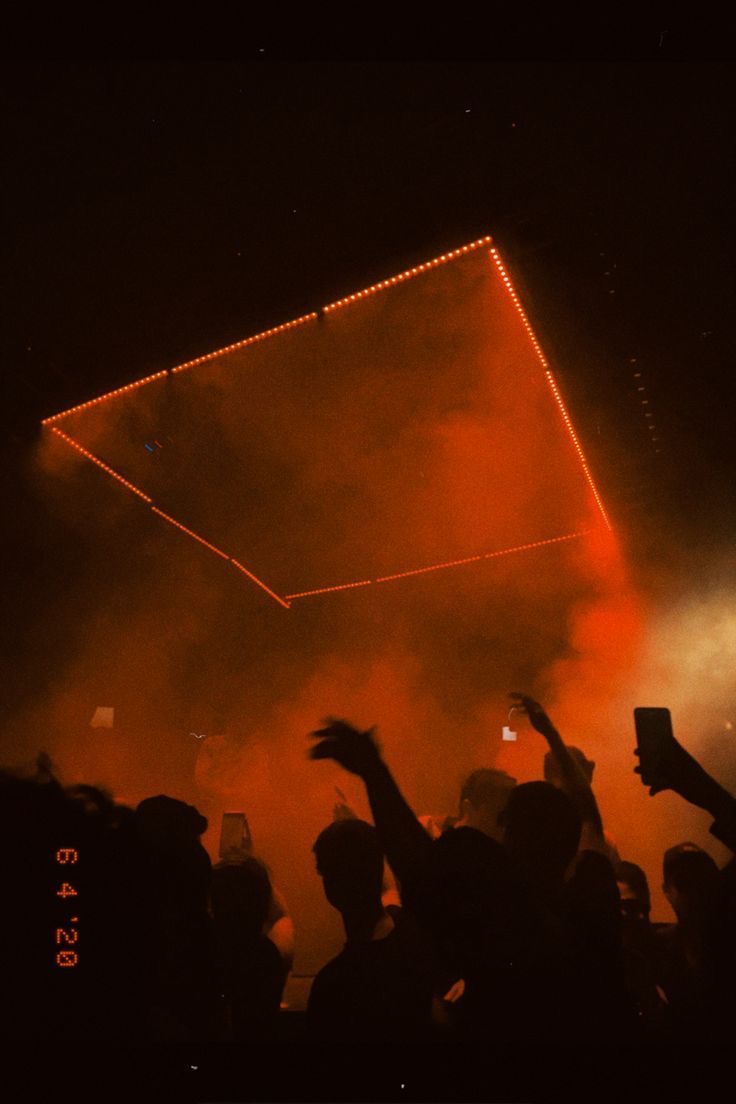
When Arma declared it would no longer operate in Russia, the media performed a collective memorial ritual. Photo archives were unearthed. Essays were published. Mixmag launched a “Vote Arma Label of the Decade” campaign. In absence, it became omnipresent.

Chapter Four: The Myth Machine
This is where things get interesting—not musically, but discursively. Arma17 was not just a venue. It became a narrative engine.
Resident DJs like Nikita Zabelin were rebranded as techno prophets. Promo texts in Ufa, Samara, and Voronezh recycled the same copy: “a techno evangelist who revived the genre in Russia.” His Boiler Room sets, label affiliations, and interviews were all deployed to legitimize a revival that was, arguably, already happening.
At some point, you start to wonder: was the revival organic, or was it branded? Was Arma17 the catalyst, or just the most visually compelling monument?
“Arma opened the door to everything happening in Russia—music, design, visual and spatial installations, art, dance. It’s not that it wouldn’t have existed without Arma, but they translated theory into practice with style. That’s what drives culture. If you travel across Russia, nearly every modern club, café, or youth restaurant reflects something from Arma.”
Nikita Zabelin
Then came Mutabor, the phoenix-club built by Arma and Rabitza veterans. Located in a former bearing factory, it wasn’t a nightclub—it was an “art-space.” Revival gave way to abstraction. Nostalgia turned into a marketing tool.
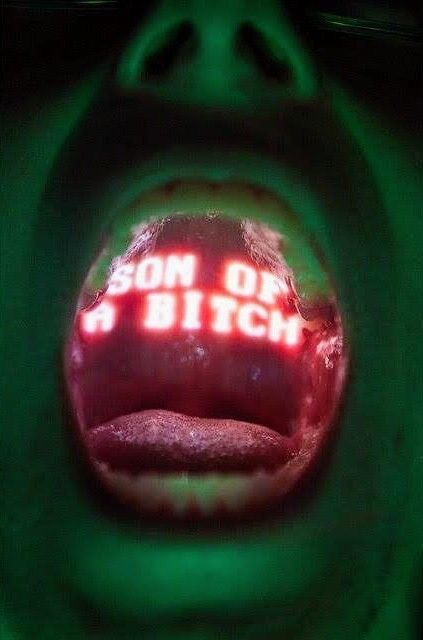
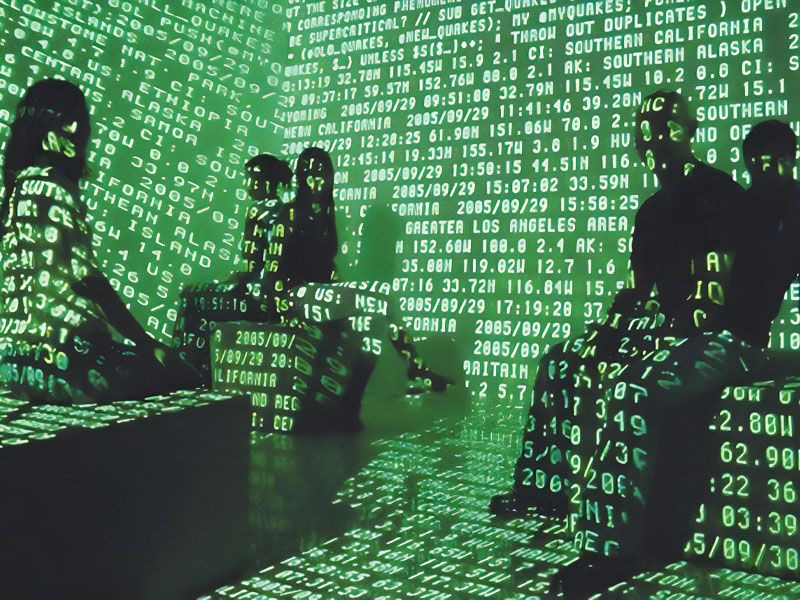
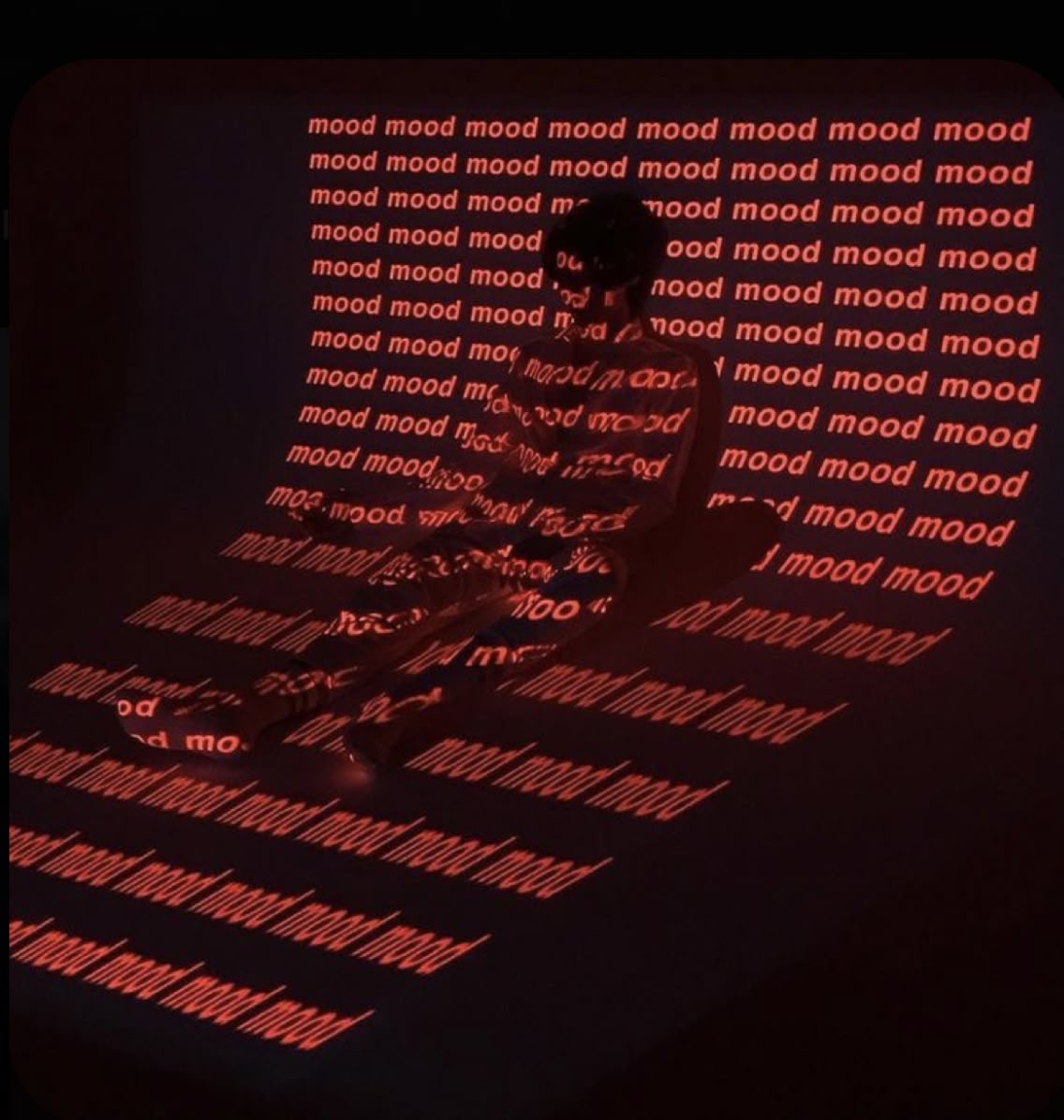
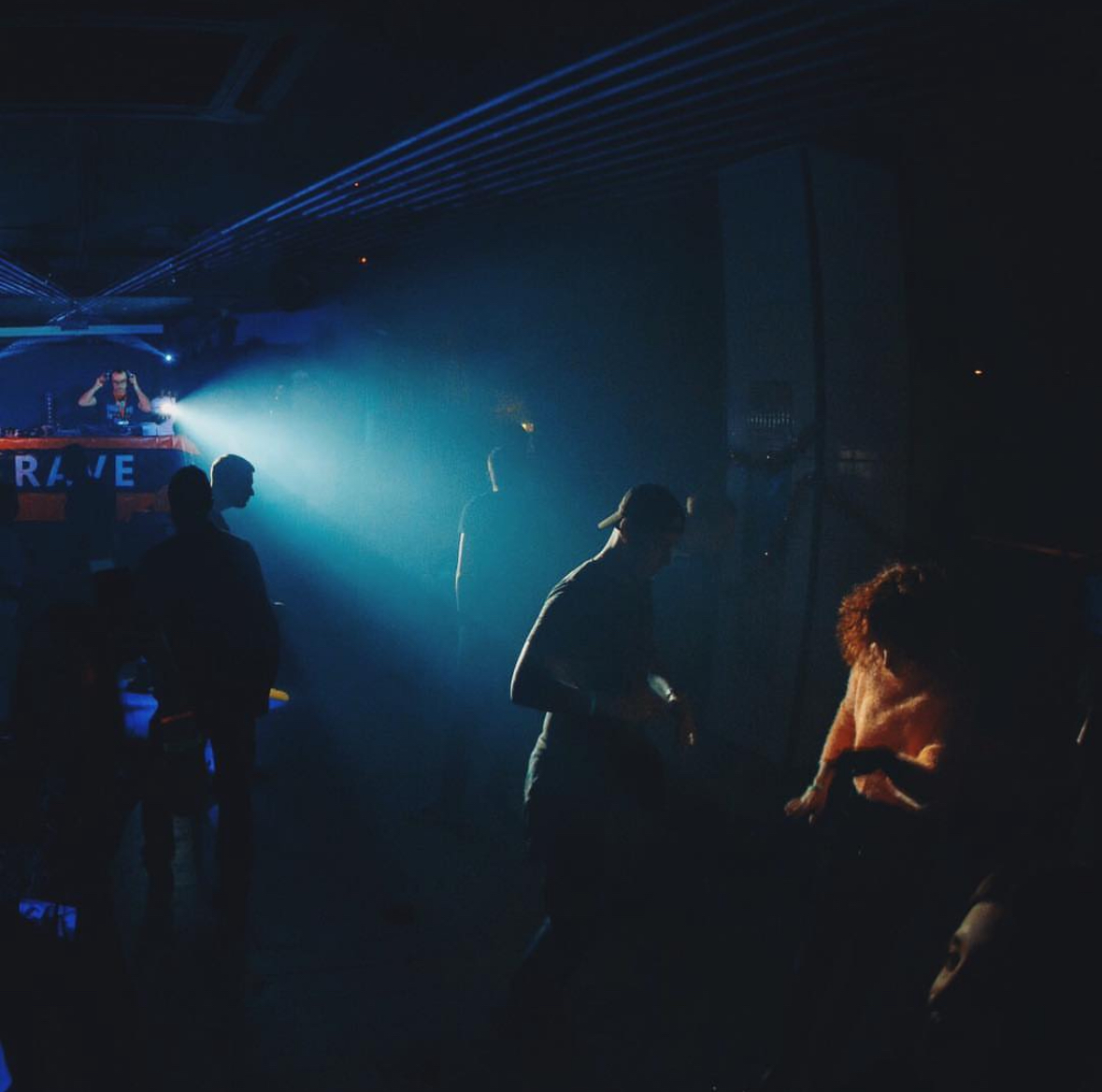
I was there, of course—a 90s babe, just young enough to think the world was ending and just old enough to dance through it. Arma17 felt like a glitch in the post-Soviet matrix: part illegal rave, part art installation, part emotional support structure. We danced like nothing came before us and nothing would come after. And strangely, in all that distortion and sweat, I felt safe. Safe in a crowd of beautiful strangers. Safe in a warehouse full of noise. Safe in the collapse. It was chaos with a heartbeat—and for a moment, it was everything.

Post-Scriptum: Or, What Remains After the Rave
So what are we left with?
• A scene that evolved linearly—but tells its story in spirals.
• A club that died multiple times and returned as myth.
• A genre that refuses to be new, yet never sounds old.
Was the Russian techno revival a genuine cultural shift, or an expertly executed image campaign? Was Arma17 a beacon of underground energy—or the most successful media ritual in post-Soviet nightlife?
Maybe the answer doesn’t matter. Maybe all revivals are both—ritual and reproduction, memory and marketing, utopia and feedback loop.
All we know is: they danced. And for a brief, bass-heavy moment, they believed it was happening again.

And if you want to dig deeper into the rave heart, read a full article here. We will be back with more transmissions from the underground. Stay tuned!

Sign up for our freshly baked posts
Get the latest culture, movie, and urban life updates sent to your inbox.
Subscribe
Join a bunch of happy subscribers!
 POSTMODERN PROMETHEUS
You must be logged in to post a comment.