An insight on How Our Carts shape Our selves
Strikingly, the old saying “we are what we eat” really does extend beyond food, touching on everything we buy and use. Postmodern Prometheus takes a leap down the rabbit hole straight into 2024 and as we continue to explore the hidden, darkest sides of city life, our latest contributor, Dylan Bilyard, dives into how signs and symbols influence our shopping choices. This piece sheds light on the subtle ways our buying habits shape who we are.

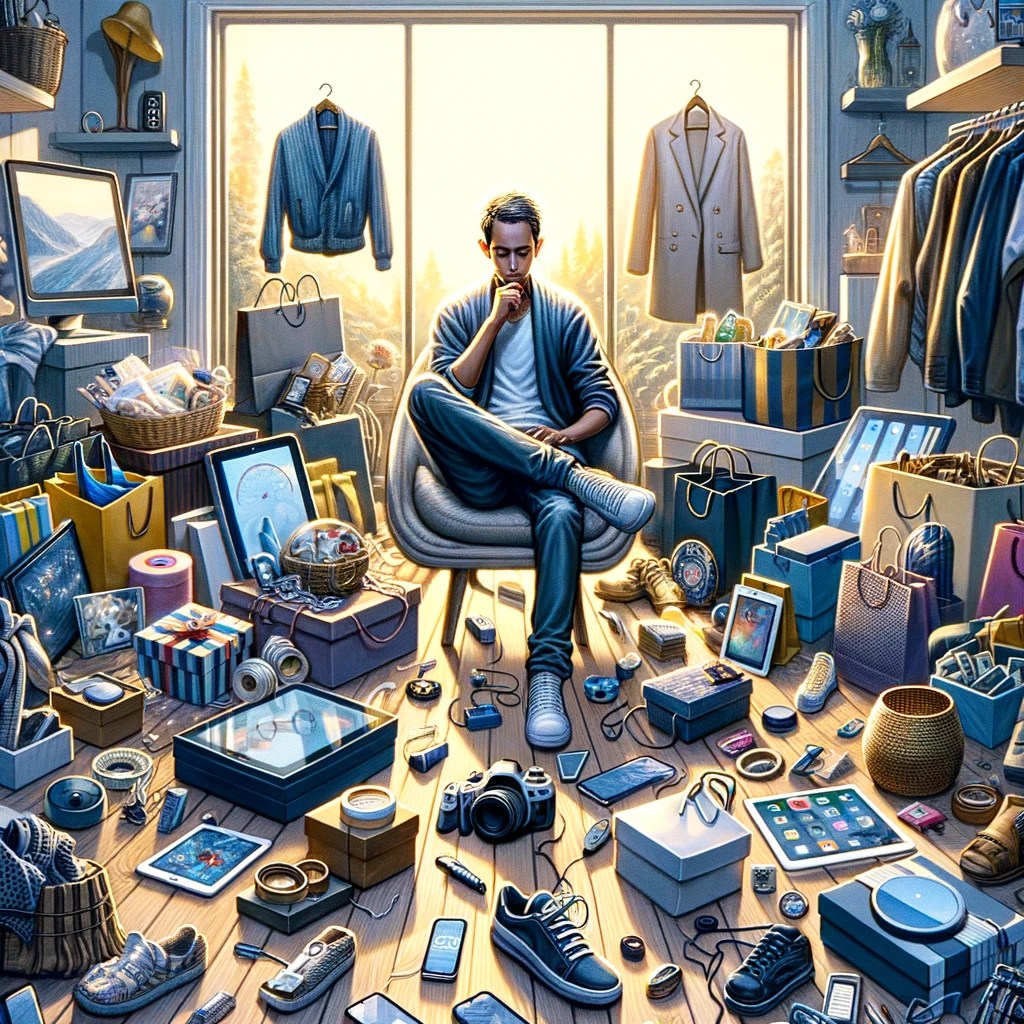
Have you ever got a friend that buys books with no intention of reading them? You might actually be that person. Semiotics helps visualize not only how we consume to build a social identity, but also how we consume to construct our self-image. This thus illustrates the exorbitant price increase for branded items, or those items, especially built for purposes that could easily be achieved with other, less expensive, options.
Photo by Lesly Juarez on Unsplash
Semiotics breaks down communication into three distinct components. Simply put, the signified is the concept being communicated, the signifier is the thing that stands in for the concept, and the interpretent is the person interpreting the signifier. Individuals aren’t just the interpretent but are also signified concepts that are communicated through a vast array of signifiers: our speech, our actions, and lastly, driven by our society, consumption. However, I posit that the interpretent for these acts isn’t just other people, but also ourselves. We literally interpret ourselves through our consumptive habits.
This is why it’s so common to buy books that we don’t actually read: the mere act of buying has already integrated the values the book communicates into our self-image. Every book makes us feel erudite, yet we can adopt any number of characteristics into ourselves depending on the nature of the books we choose. If we only wanted knowledge or the experience of reading a book, checking them out from the library would have achieved that. However, the primary act of consumption is bypassed and cannot serve to adorn our personas. In a consumer-driven society, reading is not a necessity.

This phenomena goes some way to explain the market appeal for products like the Light Phone. This phone purposefully has severely limited functions to be an abstinent alternative to addictive and feature-packed smartphones of today. It can text, call, set alarms — essentially, it has the same features of the phones available since the millennium for only $15. So why does its price hit an alarming $299?

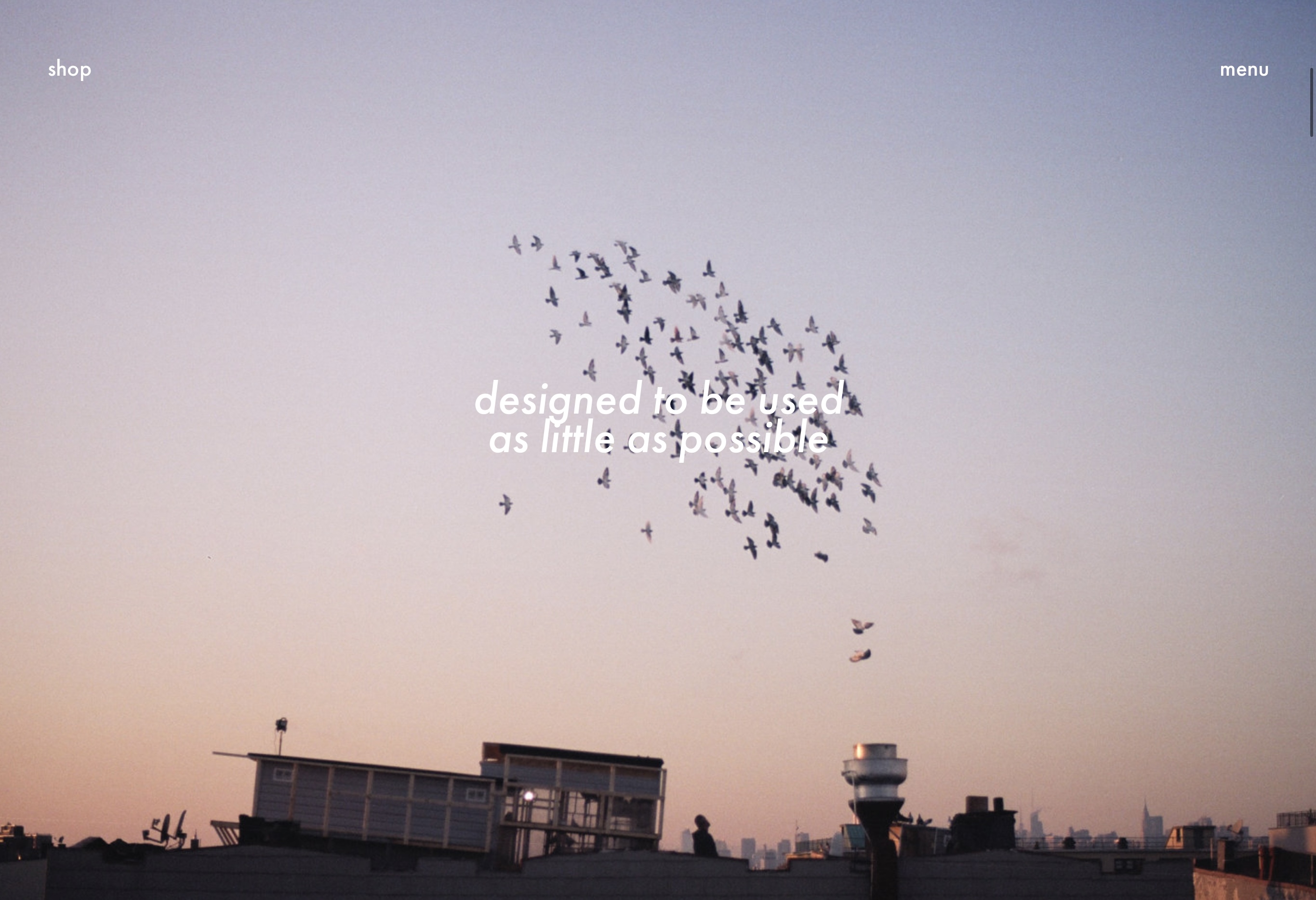
Because, like the unread books, this phone is a sign. It signals that you are a person who values moderation and real life experiences more than the addiction of modern technology. This is marketed to you on the Light Phone website’s homepage, playing a video that tells you nothing about the phone features but everything about the life you could have by buying it and cutting loose from the digital ratrace: people in the ocean, people in nature, in boats, dancing in cities — all without a phone in sight, Light or otherwise. And this could all be achieved with a brick-phone with congruent functionality. But the brick phone’s signified attributes are thriftiness and necessity, not a trendy decision to choose less.
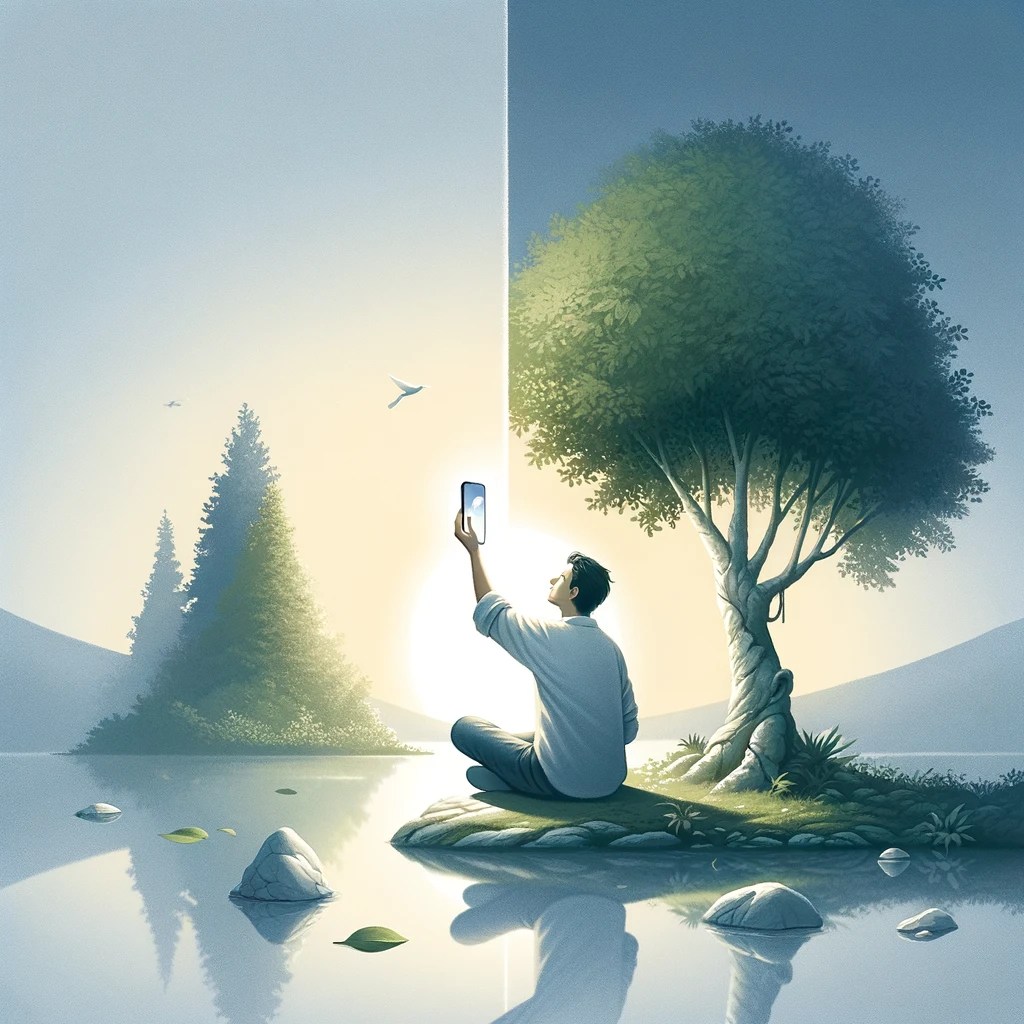
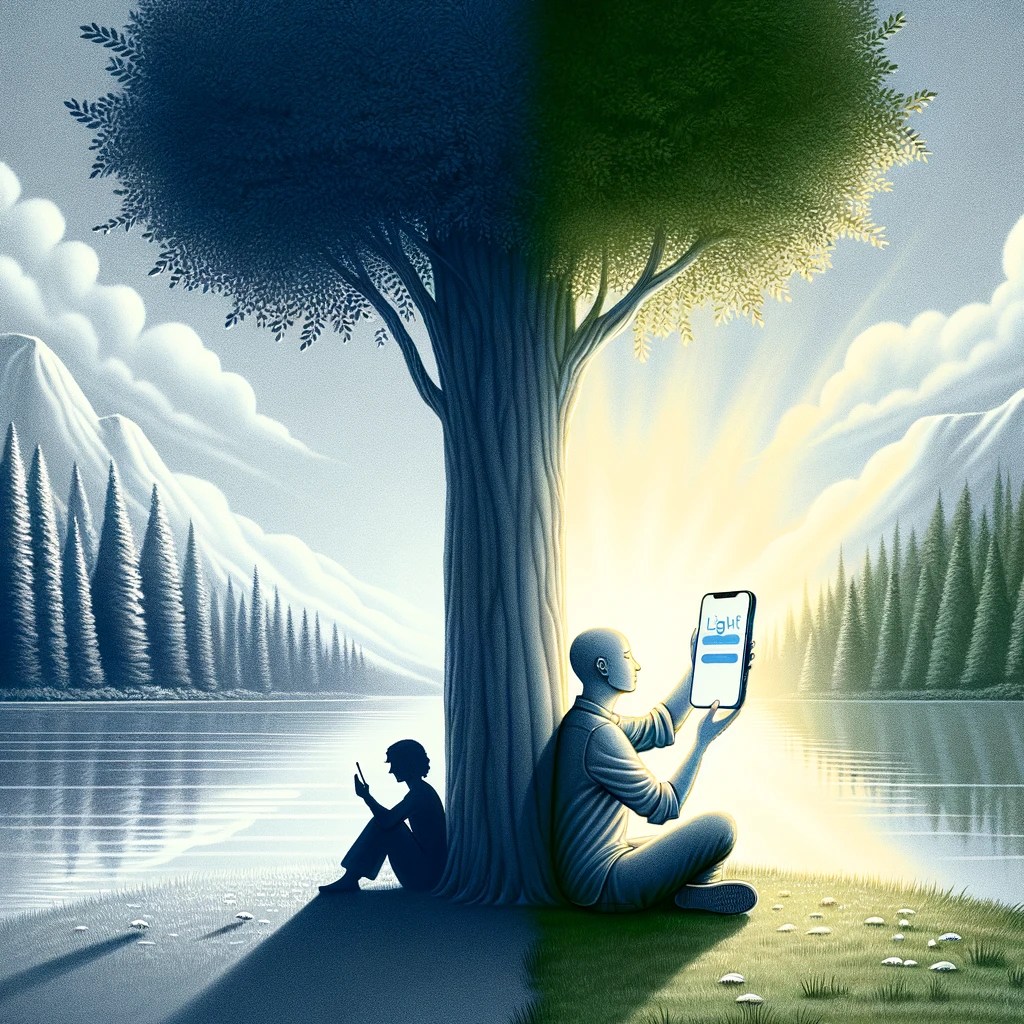
The point of this article isn’t to suggest that consumers are making a cynical decision to tailor their image for the perception of others. Rather, it’s that consumerism has become so pervasive that it shapes how we view ourselves. Our options for forming our identities are so limited that we resort to filling our bookshelves with unread texts and spend all of our earnings on the latest technology that offers no more functionality than a Nokia brick. We are nothing but each of our consumption habits, with little else building ourselves.
Illustrations created by DALLE.

Article by Dylan Bilyard
Dylan Bilyard is a writer and history and politics graduate from University of Oxford.

Sign up for our freshly baked posts
Get the latest culture, movie, and urban life updates sent to your inbox.
Subscribe
Join a bunch of happy subscribers!


You must be logged in to post a comment.